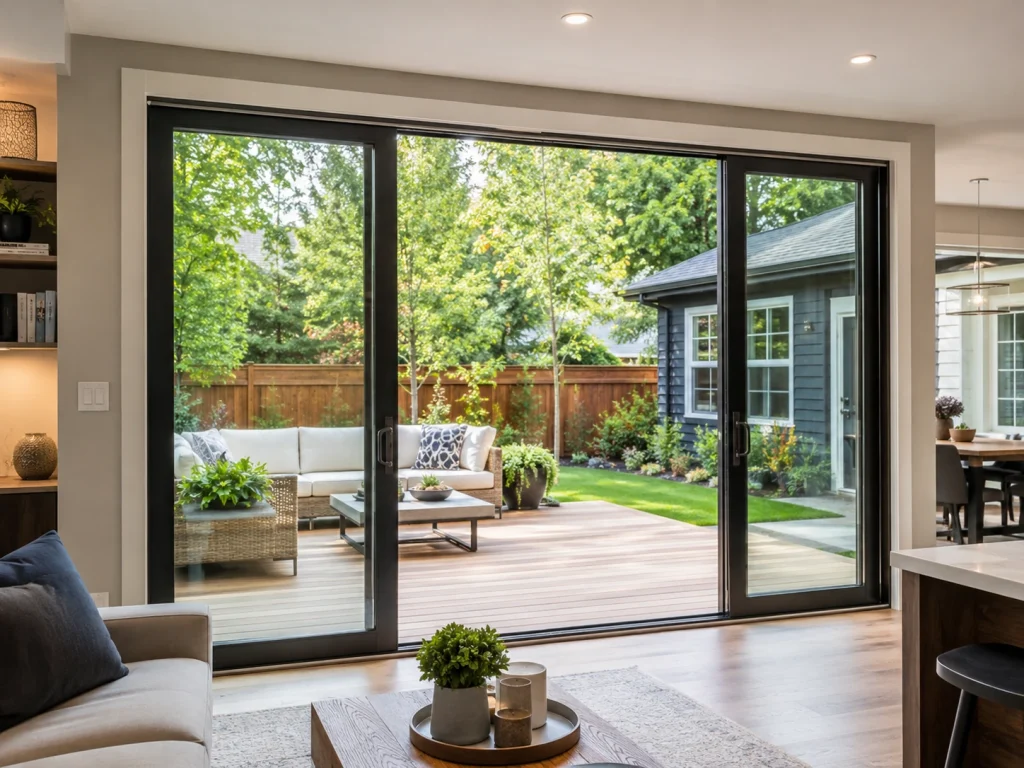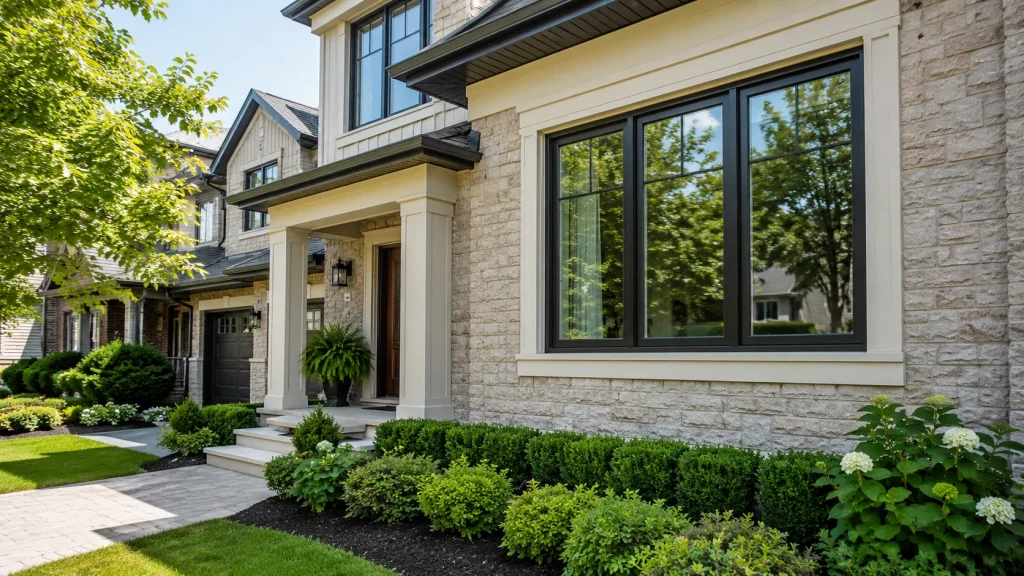



New Windows Are Your Way to a Reduced Environmental Footprint
New, energy-efficient windows can help reduce wasted energy, improve comfort, and support a more environmentally responsible home. They are not the only factor in home efficiency, but they are one of the most visible and practical upgrades a homeowner can make.
Why Windows Matter for Your Home’s Environmental Impact
Windows do not use energy on their own. They do not run like a furnace, air conditioner, or appliance. However, they affect how much energy those systems need to use.
If your windows allow heat to escape during winter, your heating system has to work harder. If your windows allow too much heat into the home during summer, your air conditioner has to work harder. Over time, that extra demand can increase energy use, monthly costs, and environmental impact.
Natural Resources Canada explains that windows, doors, and skylights can account for up to 35 percent of total house heat loss. For homeowners, that means old or inefficient windows can have a real effect on both comfort and energy waste.
Replacing old windows with properly installed, energy-efficient options can help create a tighter and better-performing home. That does not mean your home becomes perfect overnight, but it can reduce one of the major weak points in the building.
What Is an Environmental Footprint?
An environmental footprint is a simple way to describe how much your home affects the environment. It can include the energy used for heating and cooling, the resources used to maintain the home, and the waste created when materials wear out and need to be replaced.
For a home, one of the biggest areas is energy use. Heating in winter and cooling in summer are major demands. When windows are not performing well, your home may lose heat in winter and gain too much heat in summer. This makes the home less efficient.
Reducing your environmental footprint does not always mean making dramatic changes. It can start with practical upgrades that help your home waste less energy. New windows can be one of those upgrades.
How Old Windows Waste Energy
Older windows can waste energy in several ways. Some problems are easy to see, while others are not obvious until you feel the difference inside the home.
| Window Problem | What It Means | How It Affects Energy Use |
|---|---|---|
| Drafts | Air is leaking around the window frame or seal | The heating or cooling system works harder to maintain the temperature |
| Single-pane glass | The window has only one layer of glass | Heat can pass through more easily |
| Failed seals | The seal between glass panes is no longer working | The window may lose insulating performance |
| Damaged frames | Frames may be warped, cracked, soft, or deteriorating | Air and moisture can enter more easily |
| Poor installation | The window was not sealed or fitted properly | Energy can be lost around the opening |
| Old weatherstripping | The material around the window has worn down | Small gaps allow air to move in and out |
These issues are common in older GTA homes, especially properties that have gone through years of freeze-thaw cycles. A freeze-thaw cycle happens when water freezes, expands, melts, and freezes again. Over time, this can affect building materials around windows and doors.
Energy-Efficient Windows: What Makes Them Better?
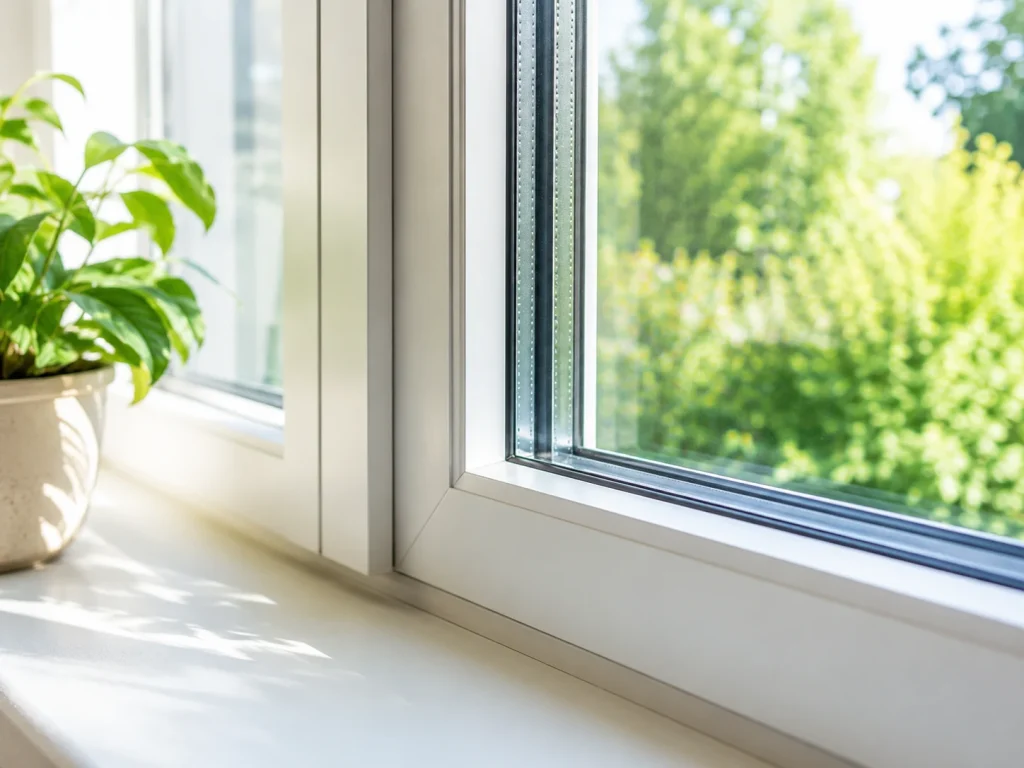
Energy-efficient windows are designed to reduce heat loss, limit unwanted heat gain, and improve comfort inside the home. They do this through better glass, better frames, better seals, and better installation.
ENERGY STAR explains that certified windows, doors, and skylights are independently tested and verified to meet energy performance standards. For homeowners, this makes it easier to choose products that are built for better efficiency.
Here are the main features that can help improve window performance:
| Feature | Simple Explanation | Why It Helps |
|---|---|---|
| Multiple panes of glass | Two or three layers of glass instead of one | Helps reduce heat transfer through the window |
| Low-E glass | Glass with a special coating that reflects heat | Helps keep warmth in during winter and reduce heat gain in summer |
| Argon gas | A gas placed between panes of glass | Helps improve insulation between the glass layers |
| Warm edge spacers | Materials used between the glass panes at the edge | Helps reduce heat loss around the edge of the glass |
| Strong weatherstripping | Seal material around the moving parts of the window | Helps reduce drafts and air leakage |
| Quality frames | Durable window frame materials | Supports long-term performance and better sealing |
You do not need to memorize every window term. The main idea is simple: better windows help slow down the movement of heat, reduce drafts, and make the home easier to heat and cool.
Homeowners looking to upgrade can explore AZTech’s window replacement services for options designed for the GTA climate.

How New Windows Can Help Reduce Heating Demand
Heating is one of the biggest energy demands in Ontario homes. During cold months, your home needs to hold warmth inside as much as possible. If windows are old or drafty, warm air can escape and cold air can enter.
When this happens, your furnace or heating system needs to run more often. That can increase energy use and make rooms feel uncomfortable, especially near windows.
New windows can help reduce this problem by improving the seal between the indoors and outdoors. They can also reduce heat loss through the glass. This is especially important for homes in Toronto, Vaughan, Burlington, Oakville, and other GTA areas where winter temperatures can drop quickly and stay low for long periods.
Reducing heat loss is not only about saving money. It also helps reduce unnecessary energy use. When your home holds heat better, it does not need to work as hard to stay comfortable.
How New Windows Can Help in the Summer
Energy-efficient windows are not only helpful in winter. They also matter during hot and humid summers.
In the GTA, summer heat can build up quickly inside a home, especially in rooms with large windows facing the sun. If the glass allows too much heat in, the air conditioner has to work harder to cool the space.
Low-E glass can help manage this. Low-E means low emissivity. In plain language, it is a special coating on the glass that helps control heat movement while still allowing natural light through.
This can make a home feel more comfortable during the summer and reduce the demand on air conditioning. For homeowners trying to lower their environmental impact, reducing cooling demand is just as important as reducing heating demand.
Why Proper Installation Matters
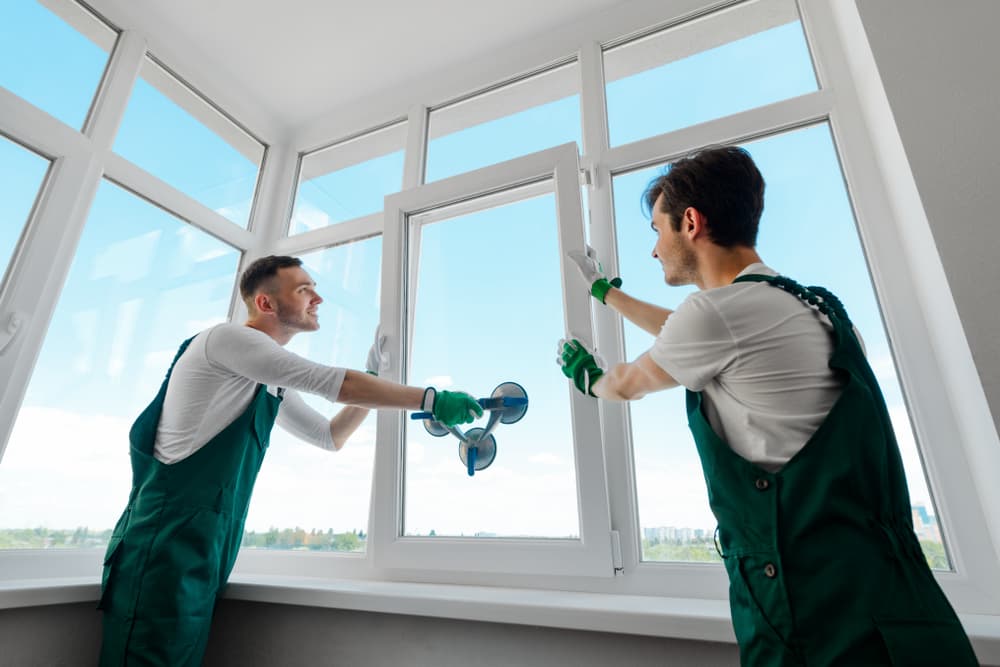
A high-quality window can only perform well if it is installed properly. If there are gaps around the frame, poor sealing, or weak insulation around the opening, air and moisture can still get through.
That is why installation is a major part of energy efficiency. The window itself matters, but the fit matters too.
Natural Resources Canada’s Keeping the Heat In guide explains how air sealing and insulation are important parts of home energy performance. For window replacement, this means the opening around the window should be properly prepared, sealed, and finished.
For GTA homeowners, professional installation is especially important because homes vary widely. A downtown Toronto semi-detached home may have very different window openings than a newer home in Vaughan, Oakville, or Markham. Older homes may also have framing issues, settled openings, or previous repairs that need to be handled correctly.
New Windows and Indoor Comfort
Environmental benefits matter, but homeowners also need to feel the difference. One of the biggest benefits of new windows is improved comfort.
Old windows can create cold spots in winter and hot spots in summer. You may notice that certain rooms are uncomfortable even when the thermostat says the house should feel fine. This often happens when the window area is losing or gaining too much heat.
New windows can help create more consistent comfort throughout the home. Rooms near windows may feel less drafty. Large living areas may feel easier to heat and cool. Bedrooms may feel more comfortable overnight.
Comfort is important because when a home feels more stable, homeowners may be less likely to overuse heating or cooling systems to compensate for problem rooms.
Moisture, Condensation, and Long-Term Home Health
Condensation happens when warm, moist indoor air meets a cold surface, such as cold window glass. Some condensation can happen during winter, especially when indoor humidity is high. However, heavy condensation, water around the frame, peeling paint, soft trim, or mould-like staining should not be ignored.
Health Canada explains that moisture problems in a home should be addressed because moisture can contribute to mould growth. The Canada Mortgage and Housing Corporation also notes that moisture and dampness can create conditions where mould can grow.
Replacing old windows may help when the issue is caused by poor seals, failed glass, damaged frames, or air leakage. However, homeowners should also look at indoor humidity, ventilation, bathroom fans, kitchen exhaust, and exterior water drainage.
Reducing moisture problems supports a healthier, longer-lasting home. It can also prevent avoidable repairs, which helps reduce waste over time.
What About Window Materials?
The environmental impact of windows is not only about energy use. Materials also matter. Homeowners should look for products that are durable, low maintenance, and built to last.
A window that performs well for many years is generally better than one that needs frequent repairs or early replacement. Durability helps reduce waste because fewer materials need to be removed, replaced, transported, and disposed of.
Vinyl window frames are common because they are low maintenance, energy efficient, and do not require painting. Fiberglass and other frame materials may also be used depending on the product and design. The best choice depends on the home, budget, style, and performance goals.
The most important thing is to choose windows that are appropriate for Ontario weather and installed by a team that understands local conditions.
Should You Replace Doors Too?
Windows are a major part of home energy performance, but exterior doors matter too. A poorly sealed front door, patio door, or side door can allow drafts and heat loss.
If you are replacing old windows, it can make sense to inspect your doors at the same time. This is especially true if the door feels drafty, sticks when opening, has damaged weatherstripping, or allows light to show around the frame.
AZTech offers exterior door replacement, including options such as fiberglass doors, steel doors, and patio doors. Upgrading windows and doors together can help improve the overall performance of the home envelope.
The home envelope means the parts of the home that separate the inside from the outside. This includes walls, windows, doors, roof, insulation, and air sealing. A stronger envelope helps the home stay more comfortable with less wasted energy.
How to Choose Energy-Efficient Windows for a GTA Home
Choosing windows should not be rushed. The right option depends on the home’s age, location, exposure, and design.
| Home Situation | What to Consider | Why It Matters |
|---|---|---|
| Older Toronto home | Fit, sealing, and preserving the exterior look | Older openings may need careful installation |
| Oakville or Burlington home near open exposure | Wind, rain, and seasonal comfort | Better sealing can improve comfort in exposed areas |
| Large south-facing windows | Glass options that help manage summer heat | Can reduce overheating and cooling demand |
| Rooms that feel cold | Draft reduction and better insulation | Helps reduce heating demand |
| Busy street or urban area | Glass and frame options that help reduce noise | Improves comfort and livability |
| Whole-home renovation | Consistent window style and performance | Improves appearance and long-term efficiency |
If you are planning a project and need a starting point for budgeting, AZTech’s Windows Calculator can help you create a rough estimate before requesting a professional quote.
Repair or Replace: Which Is Better for the Environment?
Repairing a window can sometimes be the better choice, especially if the issue is small and the window is otherwise in good condition. For example, minor hardware issues, small caulking gaps, or worn weatherstripping may be repairable.
However, replacement may be the better long-term choice when the window is old, inefficient, damaged, foggy between panes, leaking, or no longer sealing properly. Repeated small repairs can add up, and they may not solve the bigger performance issue.
From an environmental point of view, the goal is not to replace everything unnecessarily. The goal is to make a smart decision that reduces waste, improves performance, and supports long-term durability.
If the window can be repaired effectively, repair may make sense. If the window is past its useful life, replacement may deliver better comfort, energy performance, and long-term value.
Signs Your Windows May Be Increasing Your Environmental Footprint
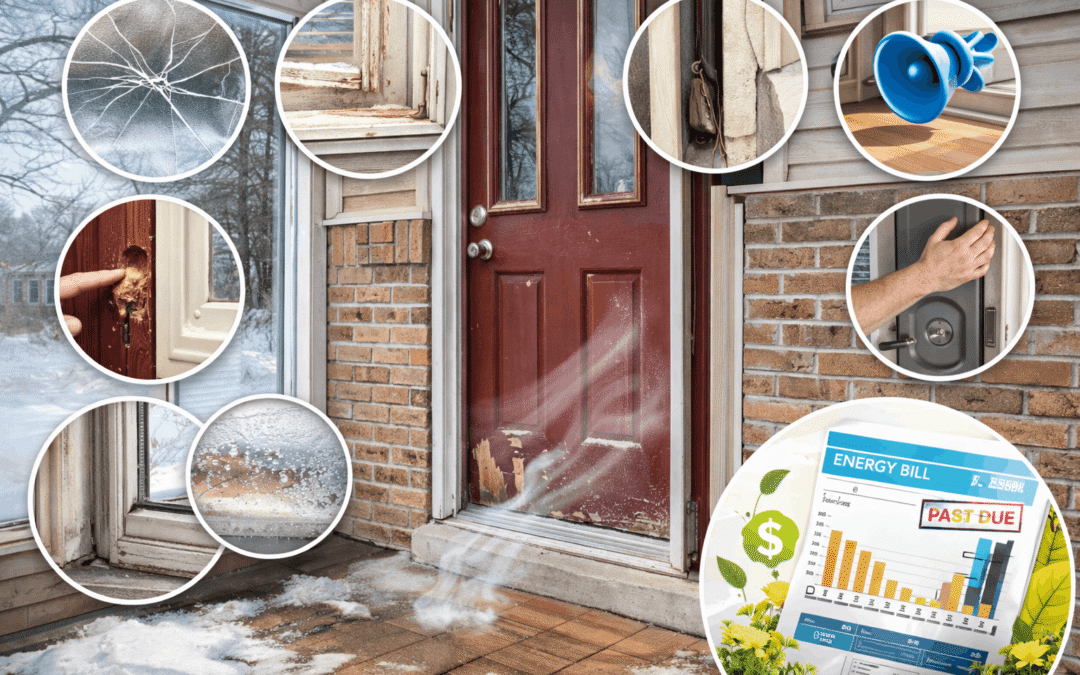
Your windows may be contributing to wasted energy if you notice several of these issues:
- Rooms feel cold near windows during winter
- Rooms overheat during summer
- You feel drafts around the frame
- There is fog or moisture between glass panes
- Windows are difficult to open or close
- Frames are cracked, warped, or deteriorating
- Condensation is heavy or frequent
- You hear a lot of outside noise
- Energy bills seem high compared with home comfort
- The windows are old and no longer match the home’s needs
If several of these signs are present, it may be time to consider window replacement as part of a broader energy-efficiency plan.
New Windows Are One Part of a Greener Home
New windows can help reduce wasted energy, but they work best when combined with other good home practices. A greener home is usually the result of several improvements working together.
Homeowners can also improve efficiency by sealing air leaks, improving attic insulation, using proper ventilation, maintaining heating and cooling systems, and managing indoor humidity.
Natural Resources Canada’s home energy resources explain that air sealing, insulation, windows, doors, and heating systems all work together. That is why window replacement should be seen as part of the whole home, not just a cosmetic upgrade.
Local Benefits for Toronto, Burlington, Oakville, and the GTA
Homes across the GTA face different environmental and comfort challenges. A Toronto semi-detached home may have older windows and tighter spacing between properties. A Burlington or Oakville home may deal with stronger wind exposure near open areas or the lake. A Vaughan, Markham, or Richmond Hill home may have larger windows and open-concept layouts that need better heat control.
In all of these cases, the goal is the same: reduce wasted energy, improve comfort, and make the home perform better through every season.
For homeowners who care about sustainability, new windows are a practical step. They help reduce energy waste without changing the way you live day to day. The home simply works better.
Better Windows Can Help Build a More Efficient Home
Reducing your environmental footprint does not always require a massive renovation. Sometimes it starts with fixing the parts of the home that waste the most energy.
Old, drafty, damaged, or poorly sealed windows can make a home harder to heat and cool. New energy-efficient windows can help reduce heat loss in winter, reduce unwanted heat gain in summer, improve comfort, and support better long-term home performance.
For homeowners in Toronto, Vaughan, Mississauga, Oakville, Burlington, Markham, Richmond Hill, and across the GTA, replacing old windows can be a smart investment in comfort, efficiency, and environmental responsibility.
To start planning your project, explore AZTech’s window replacement services, review available door replacement options, or use the Windows Calculator to create a rough project estimate. For personalized recommendations, contact AZTech Doors & Windows for a quote in Toronto and the surrounding GTA.