



Old, drafty, or poorly sealed windows can let warm air escape during winter and allow unwanted heat to enter during summer. In a climate like Toronto and the surrounding GTA, that matters. Homes in Vaughan, Mississauga, Burlington, Oakville, Markham, Richmond Hill, and nearby communities deal with cold winters, humid summers, strong winds, rain, snow, and fast temperature changes. If your windows are no longer performing well, your heating and cooling systems may be working harder than necessary.
New energy-efficient windows can help lower your energy bills by reducing heat loss, limiting drafts, improving insulation, and helping your home maintain a more stable indoor temperature. They are not magic, and every home is different, but quality windows installed properly can make a noticeable difference in comfort and energy performance.
This guide explains how new windows lower your energy bills, what features matter most, and when replacing old windows may be a smart investment for GTA homeowners.
Why Windows Affect Your Energy Bills
Windows are one of the main areas where heat can move in and out of a home. In winter, warm indoor air can escape through old glass, worn seals, gaps, and poorly insulated frames. In summer, sunlight and outdoor heat can make rooms hotter, causing the air conditioner to run more often.
Natural Resources Canada explains that windows, doors, and skylights can account for up to 35 percent of total house heat loss. For homeowners, that means windows are not just a design feature. They are part of the home’s overall energy performance.
Energy bills rise when your heating or cooling system has to work longer to make up for that heat loss or heat gain. If the windows are drafty, outdated, or poorly sealed, the furnace or air conditioner may keep running even when the thermostat is set at a reasonable temperature.
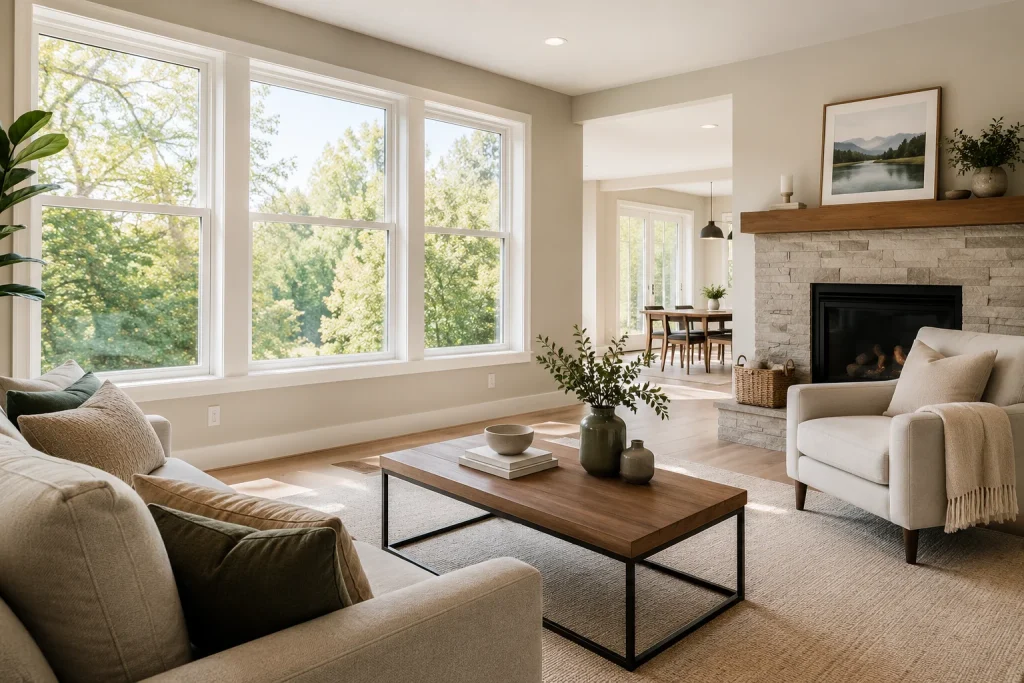
How New Windows Help Lower Energy Bills
New windows help lower energy bills by improving the way your home holds indoor temperature. In simple terms, they help keep warm air in during winter and reduce unwanted heat during summer.
| Window Improvement | How It Helps | Why It Can Affect Energy Bills |
|---|---|---|
| Better sealing | Reduces drafts around the window | Your heating and cooling systems do not need to work as hard |
| Multiple glass panes | Adds layers between indoors and outdoors | Helps slow heat transfer through the glass |
| Low-E glass | Helps control how heat moves through the glass | Improves comfort in both winter and summer |
| Gas-filled glass units | Uses insulating gas between glass panes | Helps reduce heat movement through the window |
| Improved frames | Provides better structure and sealing | Reduces air leakage and long-term performance issues |
| Professional installation | Seals the window opening properly | Prevents energy loss around the frame |
The biggest benefit comes when these features work together. A good window product matters, but proper installation matters just as much. Even a strong window can underperform if it is not fitted and sealed correctly.
Old Windows Can Make Your Home Work Harder
Older windows often lose efficiency over time. The frame may shift, seals may wear down, weatherstripping may crack, and glass may no longer provide enough insulation. Weatherstripping is the material around the window that helps block air leaks. When it wears out, cold or warm air can move through the gaps.
In winter, this can make rooms feel cold near the window. You may turn up the heat, use space heaters, or avoid sitting near certain areas of the home. In summer, rooms with older windows may overheat faster, especially if they face the sun for much of the day.
These comfort issues can increase energy use because your home is constantly trying to correct the temperature. New windows help reduce that pressure by creating a better barrier between the inside and outside.
Signs Your Windows May Be Increasing Your Energy Bills
You may not know exactly how much your windows are affecting your energy bills, but there are clear warning signs that they are no longer performing well.
| Warning Sign | What It Could Mean | Why It Matters |
|---|---|---|
| You feel drafts near the window | Air is leaking through gaps or weak seals | Your heating or cooling system has to compensate |
| Rooms feel cold in winter | The window may be losing too much heat | The room may need more heat to stay comfortable |
| Rooms overheat in summer | The glass may allow too much solar heat inside | Your air conditioner may run more often |
| There is fog between glass panes | The seal between the panes may have failed | The window may have lost insulating performance |
| Windows are hard to close or lock | The sash or frame may be warped or worn | The window may not seal tightly |
| Condensation appears often | Humidity, cold glass, or poor performance may be involved | Moisture can affect comfort and home condition |
| Energy bills are high but comfort is poor | Your home may be losing energy through weak points | Windows and doors should be inspected |
If several of these issues are happening at the same time, window replacement may be more practical than small repairs.
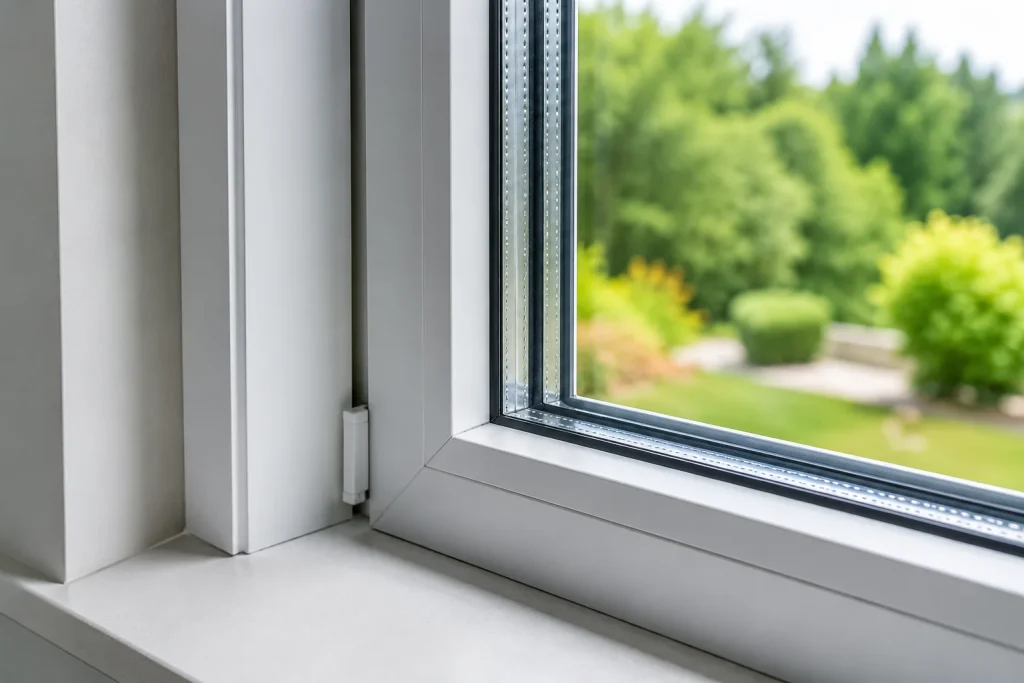
Low-E Glass Helps Control Heat
Low-E glass is one of the most common features in modern energy-efficient windows. Low-E stands for low emissivity. That sounds technical, but the idea is simple: the glass has a special coating that helps control heat movement.
In winter, Low-E glass can help keep indoor warmth from escaping too quickly. In summer, it can help reduce unwanted heat from the sun. This is important for GTA homes because the same window needs to perform well in very different seasons.
For example, a west-facing living room in Mississauga may get strong afternoon sun in the summer. A bedroom in Vaughan may feel cold near the window in January. Low-E glass helps manage both situations by improving how the window handles heat.
Double-Pane and Triple-Pane Windows
Another reason new windows can lower energy bills is the use of multiple panes of glass. A pane is one sheet of glass. Older windows may have only one pane, while many modern windows use two or three panes.
Double-pane windows have two layers of glass. Triple-pane windows have three. The space between those panes helps reduce the movement of heat through the window.
| Window Type | Simple Explanation | Best For |
|---|---|---|
| Single-pane window | One layer of glass | Older homes, but generally less efficient |
| Double-pane window | Two layers of glass with space between them | Many modern homes and replacement projects |
| Triple-pane window | Three layers of glass with two insulating spaces | Homes needing stronger comfort, efficiency, or noise reduction |
More glass layers can improve comfort, but the right choice depends on your home, budget, window size, sun exposure, and comfort goals. A professional window assessment can help determine whether double-pane or triple-pane windows make the most sense.
Gas-Filled Windows Help Slow Heat Transfer
Many modern windows use argon or krypton gas between the glass panes. These gases are used because they help slow heat transfer. Heat transfer means the movement of heat from one side of the window to the other.
Argon is commonly used because it performs well and is practical for many window designs. Krypton may be used in some higher-performance windows, especially where the space between panes is smaller.
You will not see or feel the gas inside the window, but it helps improve the insulating value of the glass unit. Combined with Low-E glass and strong seals, gas-filled windows can help the home stay more comfortable with less wasted energy.
ENERGY STAR Windows and Performance Ratings
When shopping for new windows, homeowners often hear about ENERGY STAR certified products. ENERGY STAR explains that certified windows, doors, and skylights are tested and verified for energy performance.
This matters because not all windows perform the same. The ENERGY STAR label helps homeowners compare products that are designed to meet energy-efficiency standards.
You may also see terms like U-factor, Solar Heat Gain Coefficient, Energy Rating, and air leakage. These terms can feel confusing, so here is a simple explanation.
| Term | Simple Meaning | What Homeowners Should Know |
|---|---|---|
| U-factor | Measures how much heat passes through a window | Lower usually means better insulation |
| Solar Heat Gain Coefficient | Measures how much heat from the sun enters through the glass | Important for rooms with strong sun exposure |
| Energy Rating | A rating used to compare overall energy performance | Higher usually means better overall performance |
| Air leakage | Measures how much air passes through gaps | Less air leakage usually means fewer drafts |
You do not need to memorize these numbers. The main point is to choose windows that suit your climate, your home, and your comfort needs.
New Windows Can Help During Toronto Winters
Winter is when many homeowners notice window problems the most. A draft that feels minor in fall can become a real comfort issue in January or February.
Old windows can make the area near the glass feel cold, even when the rest of the room is warm. This can cause homeowners to raise the thermostat. Raising the thermostat may make the room feel better, but it can also increase energy use.
New windows can help by reducing drafts and improving insulation around the glass and frame. That means the room can feel more comfortable without forcing the heating system to work as hard.
This is especially valuable in older Toronto homes, where windows may have shifted over time, or in suburban GTA homes where large window openings can create noticeable heat loss if the windows are outdated.
New Windows Can Also Help During GTA Summers
Energy bills are not only a winter issue. In the summer, air conditioning can add a lot to monthly costs, especially during heatwaves.
Large windows can bring in beautiful natural light, but they can also bring in heat. If your windows allow too much solar heat into the home, rooms may become uncomfortable and your air conditioner may run longer.
Modern energy-efficient windows can help reduce unwanted heat gain. This is especially helpful for rooms with large windows, west-facing windows, or limited shade.
For homeowners in Burlington, Oakville, Mississauga, and other GTA communities where open layouts and large windows are common, better glass can make summer comfort much easier to manage.
Proper Installation Is Key to Energy Savings
The window itself is only part of the equation. Installation is just as important. A high-quality window will not deliver full benefits if there are gaps around the frame or if the opening is not sealed properly.
Proper installation helps block air leaks and water entry. It also helps the window open, close, and lock correctly. When the window fits properly, it can perform the way it was designed to perform.
Natural Resources Canada’s Keeping the Heat In guide explains that air sealing and insulation are important parts of home energy performance. For window replacement, this means the area around the window should be properly prepared and sealed.
This is one reason homeowners should work with an experienced installer. Homes across the GTA vary widely. A downtown Toronto semi-detached home may have older openings and settled framing. A newer home in Markham or Richmond Hill may have larger modern window openings. A Burlington or Oakville home may face different wind and weather exposure. The installation should match the home.
Windows and Doors Work Together
If your goal is to lower energy bills, do not only look at the windows. Exterior doors, patio doors, and side doors can also allow air leaks.
A front door that does not seal properly can make the entryway cold. A patio door that is hard to close may allow drafts. Worn weatherstripping around a side door can let in cold air all winter.
If you are already replacing windows, it is a smart time to inspect your doors too. AZTech offers door replacement, including options such as fiberglass doors, steel doors, and sliding patio doors.
Windows and doors are part of the home envelope. The home envelope means the parts of the home that separate the indoors from the outdoors, including windows, doors, walls, roof, insulation, and sealing. A stronger envelope helps the home stay more comfortable with less wasted energy.
How Much Can New Windows Save?
The honest answer is that savings vary. No company should promise the same savings for every home because every house is different.
How much you save depends on several factors:
- The age and condition of your current windows
- How many windows are being replaced
- The type of new windows you choose
- The quality of installation
- Your home’s insulation and air sealing
- Your heating and cooling system
- Your thermostat habits
- Your local exposure to sun, wind, and shade
For example, replacing very old, drafty single-pane windows will usually make a bigger difference than replacing newer windows that are already performing reasonably well. A full-home replacement will usually have more impact than replacing one small window.
Even when exact savings vary, the comfort improvement can be clear. Less draft, less heat loss, less overheating, and more consistent room temperatures all add value.
Repair or Replace: What Makes More Sense?
Some window problems can be repaired. If the window is newer and the issue is minor, repair may be enough. However, if the window is old, inefficient, damaged, or failing in several ways, replacement may offer better long-term value.
| Problem | Repair May Be Enough If | Replacement May Be Better If |
|---|---|---|
| Minor draft | The weatherstripping is worn but the window is otherwise solid | The frame is warped or the window no longer closes tightly |
| Fog between glass panes | Only one small glass unit is affected | Several windows have failed seals or old frames |
| Hard to open or close | The track needs cleaning or hardware adjustment | The sash or frame is damaged or warped |
| High energy bills | Other issues like thermostat habits are the main cause | Windows are drafty, old, and visibly failing |
| Condensation | Indoor humidity is the main issue | There is moisture between panes or frame damage |
If your windows are no longer helping your home stay comfortable, it may be time to consider professional window replacement.
Budgeting for Energy-Efficient Windows
Window replacement costs depend on the number of windows, size, style, glass type, frame material, installation details, and finishing work. A large bay window will not cost the same as a smaller sliding window. A custom-shaped window will not cost the same as a standard casement window.
If you are trying to plan ahead, AZTech’s Windows Calculator can help you create a rough starting budget. It is not a final quote, but it can help you understand the possible range before booking an in-home consultation.
When comparing quotes, look beyond the total price. A good quote should explain what type of window is included, what glass package is being used, what installation work is covered, what finishing is included, and what warranty applies.
Best Window Styles for Energy Efficiency
Different window styles can offer different benefits. The best choice depends on the room, the opening, and how you use the space.
| Window Style | Best For | Energy Benefit |
|---|---|---|
| Casement windows | Bedrooms, living rooms, kitchens, and areas needing ventilation | Can seal tightly when closed |
| Awning windows | Bathrooms, basements, and smaller openings | Good ventilation with practical sealing |
| Fixed windows | Large views and rooms where opening is not needed | No moving parts can mean fewer air leakage points |
| Sliding windows | Basements, tight spaces, and practical openings | Easy operation and useful for many layouts |
| Bay and bow windows | Living rooms and front-facing spaces | Improves light and curb appeal when properly installed |
The right window style should balance energy performance, natural light, ventilation, appearance, and ease of use.
Local Energy Bill Considerations for Toronto and the GTA
Energy use can feel different from one GTA home to another. A downtown Toronto home may have older windows and less wall insulation. A newer Vaughan or Markham home may have larger glass areas and open-concept rooms. A Burlington or Oakville home may experience stronger wind exposure depending on location. A Mississauga home may have sun-facing rooms that overheat during summer.
Because of these differences, the best window choice is not always the same for every home. Some homeowners need stronger winter comfort. Others need better summer heat control. Some need noise reduction because they live near a busy road, school, highway, or construction area.
A professional assessment can help identify which windows are causing the biggest comfort and energy problems, then recommend options that make sense for the home.
New Windows Are One Part of a More Efficient Home
New windows can help lower energy bills, but they work best as part of a whole-home approach. If your attic insulation is poor, your doors are drafty, or your furnace is not maintained, windows alone will not solve every energy problem.
To get better results, homeowners should also consider:
- Checking exterior doors for drafts
- Sealing obvious air leaks
- Maintaining the furnace and air conditioner
- Using a programmable or smart thermostat properly
- Managing indoor humidity
- Improving insulation where needed
- Using window coverings to control heat and sunlight
Windows are a major part of the picture, but the whole home needs to work together.
New Windows Can Help Lower Energy Bills and Improve Comfort
New windows can lower your energy bills by reducing drafts, slowing heat loss, limiting unwanted summer heat, and helping your home maintain a more stable indoor temperature. For homeowners in Toronto, Vaughan, Mississauga, Burlington, Oakville, Markham, Richmond Hill, and the surrounding GTA, this can make a real difference through Ontario’s changing seasons.
If your current windows are drafty, foggy, hard to close, or making certain rooms uncomfortable, replacement may be a smart long-term investment. You may notice better comfort first, with energy efficiency benefits following as your home becomes easier to heat and cool.
To start planning your project, explore AZTech’s window replacement services, review available door replacement options, or use the Windows Calculator to build a rough project estimate. For a professional recommendation, contact AZTech Doors & Windows for a quote in Toronto and the surrounding GTA.