

Signs Winter Damaged Your Windows and Doors

Signs Winter Damaged Your Windows and Doors

A Greater Toronto Area Homeowner’s Guide

Winter in the GTA is not gentle. Between lake-effect snow, deep freezes, salt spray, and sudden thaw cycles, your windows and doors take a beating every single year.

From Vaughan and Richmond Hill to Mississauga, Markham, North York, Brampton, and Aurora, homes experience:

  • Heavy snow loads
  • Ice buildup
  • Rapid temperature swings
  • High winds
  • Freeze–thaw cycles

 Read more why your windows ice up in extreme cold weather

And here’s the reality: a lot of winter damage goes unnoticed until spring… when drafts, leaks, and rising energy bills start creeping in.

Let’s break down the signs that winter may have damaged your windows and doors, what causes it, and what to do next.

Why Winter Is So Hard on Windows and Doors

Before we look at damage, let’s understand what actually happens.

1. Freeze–Thaw Cycles

When temperatures bounce above and below zero, water expands as it freezes. This expansion puts pressure on frames, seals, and surrounding materials.

According to the National Research Council Canada, repeated freeze–thaw cycles are a major cause of building envelope deterioration in cold climates.

Building envelope simply means everything that separates your home’s interior from the exterior: windows, doors, walls, and roof.

2. Thermal Expansion and Contraction

Materials expand in heat and contract in cold. Vinyl, aluminum, wood, and even glass all move at different rates.

The Canada Mortgage and Housing Corporation explains that extreme temperature differences can cause:

  • Seal failures
  • Frame warping
  • Cracks in caulking
  • Reduced airtightness

3. Condensation and Moisture Intrusion

Moisture is the silent killer.

When warm indoor air meets cold glass, condensation forms. If not managed properly, that moisture can damage frames, trim, and insulation.

Natural Resources Canada notes that air leakage around windows and doors significantly affects energy efficiency in Canadian homes.

 Read more on condensation on windows in winter.


10 Signs Winter Damaged Your Windows

Let’s get practical. Here are the most common warning signs we see across the GTA.

1. Drafts Near Windows or Doors

If you feel cold air near your windows even when they’re closed, that’s a red flag.

What Causes It: Seal shrinkage · Weatherstripping damage · Frame movement · Cracked caulking

Why It Matters: Drafts increase heating costs and reduce comfort.

Symptom What It Means Risk Level
Cold air near the frame Seal failure Moderate
Whistling sound Gap in frame High
Curtains moving Air infiltration High

Air infiltration means outside air is entering your home through small gaps.

2. Condensation Between Glass Panes

If you see fog or moisture trapped inside your double or triple-pane window, the insulated glass unit has failed.

What Is an Insulated Glass Unit (IGU)? An IGU is the sealed glass system in modern windows. It contains: Two or three panes of glass · Spacer bar · Argon gas for insulation · Airtight seal. When that seal breaks, moisture enters.

Sign Likely Cause Repair Option
Fog inside the glass Seal failure Glass replacement
Water droplets Advanced failure Replace unit
Frost inside the pane Severe seal damage Replace unit

This is extremely common in older homes in Thornhill, Maple, and Woodbridge.

3. Cracked or Peeling Caulking

Caulking is the flexible seal around your window or door frame. Winter temperature swings cause it to shrink and crack.

What You See What’s Happening
Gaps in sealant Water can enter
Brittle material UV and cold damage
Missing sections Air leakage risk

Left untreated, this can lead to mold and structural rot.

4. Difficulty Opening or Closing Windows

If your windows stick or don’t close smoothly, winter may have shifted the frame.

Possible Causes: Frame expansion and contraction · Hardware corrosion from moisture · Ice damage. Homes in Brampton and Newmarket often experience this due to extreme temperature swings.

5. Warped or Swollen Frames

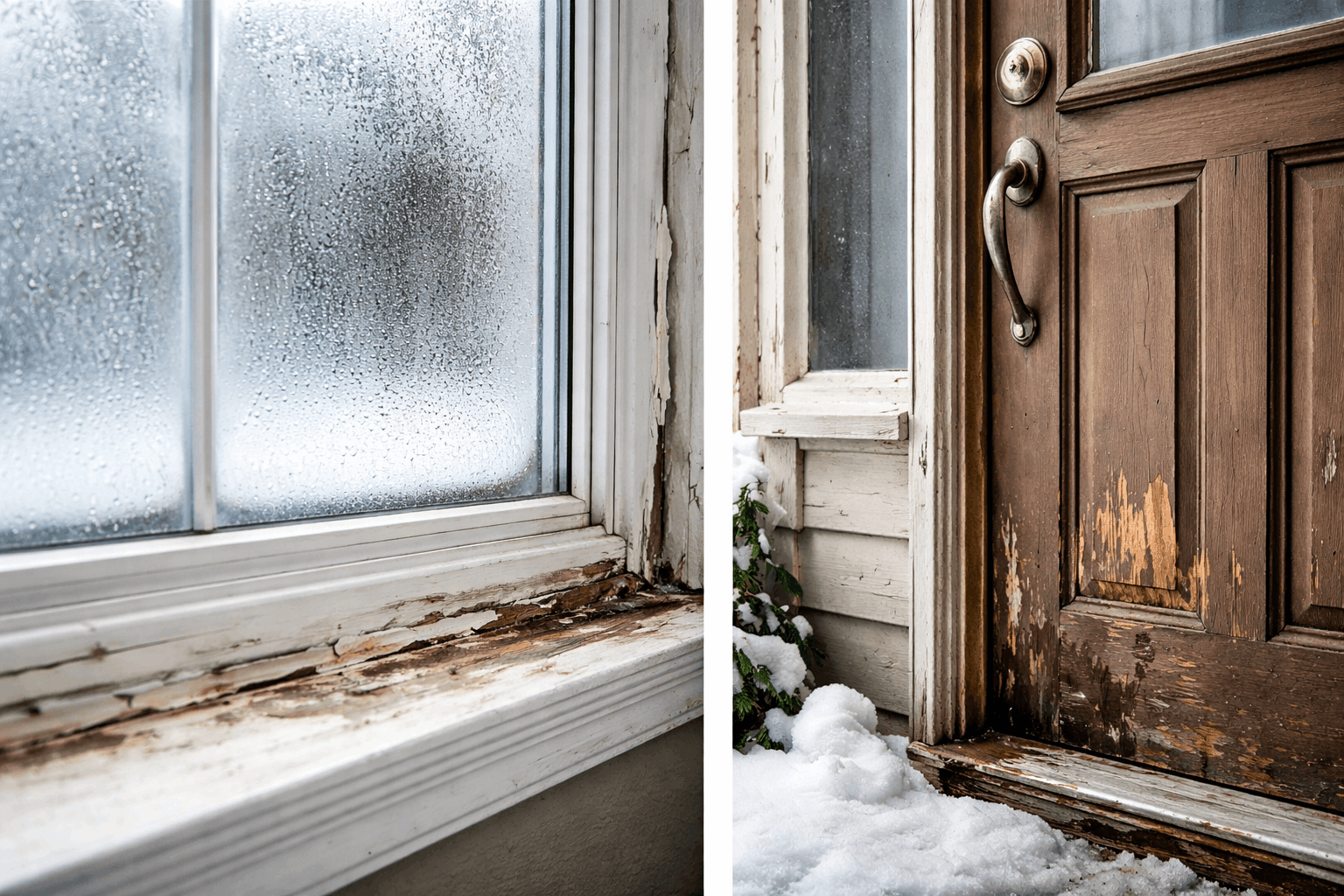
Wood frames are especially vulnerable. Moisture absorption during winter can cause swelling. When it dries out in spring, cracking may occur.

Frame Type Winter Risk
Wood High
Vinyl Moderate
Aluminum Low to Moderate

6. Ice Buildup Along the Interior Frame

If you see ice forming inside your window frame, that means significant heat loss and air leakage. This often happens in older homes in North York and Scarborough. It signals poor insulation or seal failure.

7. Visible Water Stains Around Window Trim

Brown or yellow stains on drywall near windows are a warning sign. This means moisture has been penetrating behind the frame. That can lead to: Mold growth · Rotting sheathing · Structural deterioration

8. Increased Heating Bills

If your heating costs jumped this winter and nothing else changed, your windows or doors may be underperforming. According to Natural Resources Canada, air leakage can account for up to 25 percent of heat loss in older homes.

9. Rusted or Corroded Hardware

Door hinges and window operators exposed to condensation can corrode. Salt from winter air in areas near Mississauga and Etobicoke can accelerate this process.

10. Cracks in Glass

Rapid temperature shifts can stress glass. Even hairline cracks weaken the window and compromise insulation.

Signs Winter Damaged Your Exterior Doors

Doors take direct exposure to snow, ice, and wind. Here’s what to look for.

  • 1. Door Drafts – If you feel cold air near your entry door, the weatherstripping may have failed. Weatherstripping is the rubber or foam material that seals the door edges.
  • 2. Light Visible Around Door Frame – If you can see daylight around your door, it’s not sealing properly. This is common in older homes in Vaughan and Richmond Hill.
  • 3. Swollen Wooden Doors – Wood absorbs moisture and expands. When spring comes, the door may shrink and crack.
  • 4. Peeling Paint or Finish – Winter moisture can cause paint to bubble or peel. This exposes the door to further damage.
  • 5. Rot at the Bottom of the Door – The bottom rail of a door is most exposed to snow and ice. Check for softness or crumbling material.

Winter Damage Risk Comparison Table

Issue Short-Term Impact Long Term Risk Action Needed
Drafts Discomfort Higher energy bills Seal or replace
Seal failure Fogging Insulation loss Replace glass
Water stains Cosmetic Mold and rot Immediate repair
Warped frame Operation issues Structural stress Inspection
Door gaps Heat loss Frame damage Adjust or replace

When Is It Time to Replace Instead of Repair?

Here’s a simple rule:

  • Minor caulking cracks → Repair
  • Single failed glass unit → Replace glass
  • Multiple failures + drafts → Replace window
  • Frame rot → Replace window or door

If your windows are 15–20 years old, replacement may be more cost-effective long term.

when is it time to replace doors and windows in the Greater Toronto Area

Why GTA Homes Are Especially Vulnerable

The Greater Toronto Area has: High humidity swings · Lake-effect snow · Salt exposure · Rapid temperature changes. Homes in Aurora, King City, and Stouffville often experience strong wind exposure in open areas. Urban homes in Toronto and Etobicoke experience more salt corrosion. Each micro-climate creates unique stress.

How to Prevent Future Winter Damage

  1. Inspect Every Fall – Check seals, caulking, and weatherstripping.
  2. Replace Worn Weatherstripping – It’s inexpensive and highly effective.
  3. Upgrade to Energy-Efficient Windows – Look for: Low-E glass (reflects heat) · Argon gas-filled units · Multi-chamber vinyl frames.
  4. Maintain Proper Indoor Humidity – Keep humidity around 30–40 percent in winter.

Quick Homeowner Checklist

  • Do you feel drafts?
  • Is there fog between panes?
  • Are frames cracked or warped?
  • Is paint peeling on doors?
  • Did heating bills rise unusually?

If you checked two or more, it’s worth a professional inspection.

Final Thoughts

Winter damage often hides in plain sight.

What starts as a small crack or seal issue can turn into: Mold problems · Structural rot · High heating bills · Reduced home value.

Across Vaughan, Markham, Richmond Hill, North York, Mississauga, and the entire GTA, we see these issues every spring.

The good news? Most problems can be identified early and corrected before they become expensive repairs.

Check Your Windows and Doors Before the Next Winter

Winter damage does not always show up right away. Small drafts, minor leaks, or subtle frame movement can quickly turn into larger problems if they are ignored.

If you noticed any of the signs mentioned in this guide, it may be time to have a professional take a closer look.

Aztech Doors & Windows helps homeowners across the Greater Toronto Area including Vaughan, Richmond Hill, Markham, North York, Mississauga, and Brampton identify winter damage and recommend the right solution.

Sometimes a repair is enough. In other cases, a window replacement can improve comfort, security, and energy efficiency.

A professional inspection can help you avoid higher energy bills and prevent more costly damage in the future.

Request a consultation today and let our team assess your windows and doors.

Why Your Windows Ice Up in Extreme Cold and What GTA Homeowners Can Do

Why Your Windows Ice Up in Extreme Cold and What GTA Homeowners Can Do

If you have ever woken up in Toronto or Vaughan to a window that looks like it got iced like a donut, you are not alone.
Interior window ice is one of the most common cold weather complaints in the GTA, and it usually has less to do with bad glass
and more to do with moisture, airflow, and how your home handles winter physics.

Here is the big idea. Warm indoor air holds moisture. When that moist air touches a cold window surface, it can drop water,
then freeze into frost or ice. The colder it gets outside, the easier it is for that inside surface to hit freezing temperatures.

Toronto winters are more than cold enough for this to show up. Environment and Climate Change Canada climate normal (1991 to 2020) list January daily averages around -3.5°C, with daily minimums near -6.7°C. (Climate Data)
That is plenty cold to drive interior glass temperatures down when humidity is high or drafts are present.

Below is a field tested, homeowner friendly guide with real thresholds to stop window icing,
protect your frames, and keep your home comfortable.

What Interior Window Ice Is Really Telling You

Think of your windows as the check engine light for indoor humidity.
Health Canada recommends keeping indoor humidity between 30 percent and 50 percent.
Save on Energy Ontario adds a practical note that 30 percent to 40 percent is typically ideal in winter
to stay comfortable without leaving condensation on windows. (saveonenergy.ca)

When your humidity climbs above what your cold glass can handle, moisture condenses and then freezes.

The Quick Science

  • Relative humidity is how full the air is with water vapor at a given temperature
  • Warm air can hold more moisture
  • When warm moist air hits a cold surface like glass, it cools down
  • If the surface temperature drops below the dew point, water forms
  • If the surface is at or below 0°C, that water becomes frost or ice

Where the Ice Shows Up and What It Means

What You See Most Likely Cause What It Typically Means
Ice or frost on room side of glass, often bottom corners High indoor humidity, poor airflow, cold snaps Humidity and airflow problem first
Condensation that turns to ice overnight Same as above Indoor RH is above what the glass can tolerate
Fog or moisture between panes Failed insulated glass seal Window unit failure, not a humidity issue
Ice on frames or surrounding drywall Air leaks, missing insulation, thermal bridging Installation or air sealing issue
Condensation on outside of glass High efficiency glass Usually normal, not a defect

The Number One Driver: Indoor Humidity

Many GTA homes run humidifiers in winter, sometimes tied directly into the furnace.
That is not automatically bad. The issue is running a set and forget humidity level during cold snaps.

CMHC guidance is clear. Indoor relative humidity should generally be between 30 percent and 50 percent,
but when outdoor temperatures drop below -10°C, indoor humidity should be closer to 30 percent,
and sometimes as low as 25 percent to prevent condensation on cold surfaces like windows.

Practical Winter Humidity Targets

Outdoor Temperature Suggested Indoor RH Why
0°C to -5°C 35 percent to 40 percent Comfortable and usually avoids window sweating
-5°C to -10°C 30 percent to 35 percent Less moisture so glass stays clearer
Below -10°C Around 30 percent or lower if needed Prevents condensation during extreme cold

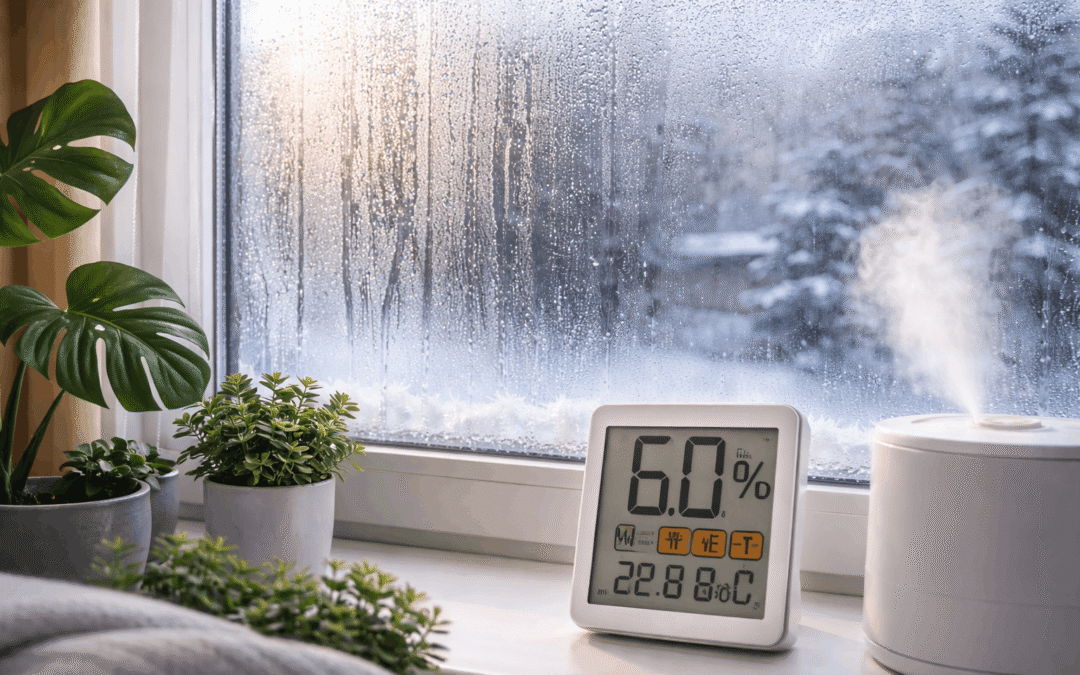
Pro tip. Buy a basic hygrometer. Guessing humidity is like guessing your phone battery percentage without looking.

Hidden Moisture Sources That Spike Humidity Overnight

  • Long hot showers without using the bathroom fan
  • Cooking and boiling water without ventilation
  • Drying laundry indoors
  • Damp basements
  • Firewood stored indoors
  • Humidifiers left on constant settings

Ventilation Matters Even in Winter

Health Canada recommends using kitchen and bathroom exhaust fans and ensuring they vent outdoors. (Health Canada)
If your home has an HRV or ERV system, CMHC notes these systems help lower indoor humidity
by exhausting moist air and reducing condensation risk.

Fast Ventilation Wins

  • Run bathroom fans during and after showers (Canada)
  • Use range hoods when cooking
  • Confirm fans vent outdoors, not into the attic
  • Maintain HRV or ERV filters and winter settings

Airflow at the Window Matters More Than You Think

Even with proper humidity, stagnant air at the glass can still freeze.

  • Heavy curtains pressed tightly against windows
  • Blinds kept closed during cold snaps
  • Furniture blocking heat registers
  • No warm air reaching the glass surface

Quick Fix Checklist

  • Open blinds slightly during extreme cold
  • Keep curtains from sealing window bays
  • Ensure vents are not blocked
  • Investigate rooms that stay consistently colder

Airflow at the Window Matters More Than You Think

When Drafts and Insulation Are the Real Problem

Ice on frames or drywall usually points to air leakage or insulation gaps.
CMHC notes that cold surfaces paired with humidity can cause condensation and moisture damage.

 Read more about the signs winter damaged your windows and doors.

The Homeowner Draft Test

  • On a windy day, hold a tissue near window edges
  • If it flutters, air leakage is present
  • Check weatherstripping, locks, and caulking

When New Windows Are the Right Solution

Your Problem What Helps Window Types to Consider
Drafts near sash Better air tight seals Casement Windows, Tilt and Turn Windows
Cold fixed openings Warmer interior glass Fixed Windows, Custom Shaped Windows
Need airflow without snow Controlled ventilation Awning Windows, Tilt and Turn Windows
Wide openings Durable sliding systems Sliding Windows
Traditional layouts Proper sealing and hardware Hung Windows
Cold bay areas Insulation and correct install Bay and Bow Windows

FAQ: Window Ice in the GTA

Is interior window ice normal?
It is common, but it signals a humidity or airflow imbalance that should be addressed.

Should I increase humidity because air feels dry?
Not blindly. If condensation is present, humidity is already too high for current conditions.

My humidity is 40 percent and I still get ice. Why?
Either the window surface is extremely cold or airflow to the glass is blocked.

Do HRVs and ERVs help?
Yes. They exhaust moist indoor air and reduce condensation risk.

When should a window be replaced?
Persistent drafts, frame icing, moisture damage, or fog between panes all signal replacement time.

Stop Window Icing the Right Way

If your windows are icing up anywhere in the Greater Toronto Area or surrounding communities, AZTech Doors & Windows can help identify the cause and fix it properly.

Call (416) 946-1061 to book a free estimate or fill out a contact form request and we will reach out you.

Condensation on Windows in Winter: What’s Normal vs a Real Problem (GTA Homeowner Guide)

Condensation on Windows in Winter: What’s Normal vs a Real Problem (GTA Homeowner Guide)

Window Condensation in Winter: What’s Normal vs a Real Problem

If you live anywhere in the Greater Toronto Area, winter window condensation is basically a seasonal hobby you did not ask to pick up.
One day your windows look fine, the next morning you see fog, droplets, or even frost at the corners.

Some condensation can be normal during cold snaps. Persistent moisture, however, can signal indoor humidity issues, air leakage,
or building-envelope problems that may lead to damaged trim, peeling paint, and mould risk.

Health Canada
flags high indoor humidity as a key contributor to mould growth.

This guide breaks down what is normal, what is not, and what GTA homeowners can do right away.

What Condensation Actually Is and Why Winter Makes It Worse

Condensation forms when warm, moisture-laden indoor air contacts a surface cold enough to fall below its dew point.
According to ENERGY STAR, when the interior glass temperature drops below the dew point of indoor air, water forms on the surface.

  • Indoor moisture level (relative humidity)
  • Window and frame surface temperature

The U.S. Department of Energy notes that air movement is the primary driver of moisture transport in homes. Even small air leaks around windows
can create localized condensation and ice.

The GTA Factor: Why Condensation Feels Worse Here

  • Frequent freeze-thaw cycles
  • High indoor moisture from showers, cooking, and laundry
  • Lakeshore and valley humidity conditions

The Canada Mortgage and Housing Corporation (CMHC) notes that homes in humid climates near lakes or river valleys often require higher condensation resistance.

Window Condensation In Winter

Where The Condensation Appears Matters

Location What it usually means Normal? First step
Inside glass, light fog Cold glass plus indoor humidity Often normal Improve airflow, lower RH
Inside glass, dripping Excess humidity or air leakage Problem if frequent Measure RH, verify fan venting
Frost at edges Cold zones plus leakage Monitor closely Reduce RH, seal perimeter
Between panes Sealed unit failure Not normal Professional glass replacement

What’s Normal and What Is Not

According to BC Housing, condensation becomes a problem when it persists or wets materials that can be damaged.

Usually Normal

  • Light fogging that clears quickly
  • Condensation after showers or cooking
  • Minor edge condensation during short cold snaps

A Real Problem

  • Daily dripping or pooled water
  • Wet trim or bubbling paint
  • Musty smells or staining
  • Moisture between panes

The Number One Cause in GTA Homes: Humidity Is Too High

Comfort humidity and condensation-safe humidity are not always the same in winter.

Save on Energy Ontario recommends lower winter humidity to reduce condensation risk.

Outdoor conditions Target indoor RH Why
Mild winter 35% to 45% Comfort without excess moisture
Typical cold 30% to 40% Reduces dew point
Extreme cold 25% to 30% Prevents frost formation

If you do nothing else, buy a hygrometer and stop guessing.

Airflow and Air Leakage: The Silent Villains

Window Coverings

CMHC notes that heavy curtains and blinds can trap cold air against glass.
Leave a small opening at night to allow airflow.

Perimeter Air Leaks

Small gaps around the frame can dramatically drop surface temperatures.
Check weatherstripping and interior trim for gaps.

Ventilation Still Wins

  • Vent dryers outdoors
  • Confirm bath and kitchen fans vent outside
  • Run fans during use and 20 minutes after

But My Windows Are New

Even high-performance windows can experience condensation if indoor humidity is high
or installation sealing is poor.
ENERGY STAR confirms that no window is immune under extreme conditions.

When To Call A Window Professional

  • Condensation between panes
  • Soft drywall or rotting trim
  • Ice returning daily
  • Persistent drafts

Get a GTA-Specific Solution

Aztech Doors & Windows specilizes in windows replacements across the greater Toronto area.

Start with the AZTech Window Cost Calculator or book a professional assessment.

A Window is More Than Just Glass

A Window is More Than Just Glass

For most homeowners, windows are simple features that let in light, provide a view, and protect us from the elements. But the truth is, not all windows are created equal.

If you are planning to install new windows, you will find numerous windows’ styles: casement, sliding, awning, and picture windows. Among these, one modern option is rapidly becoming a favorite across Canada: tilt and turn windows.

More than just a window, this is a versatile, secure, and energy-efficient solution. So, what makes them the ultimate two-in-one window? More importantly, when should you consider them for your home?

Imagine a window that can open in two completely different ways depending on how you move the handle.

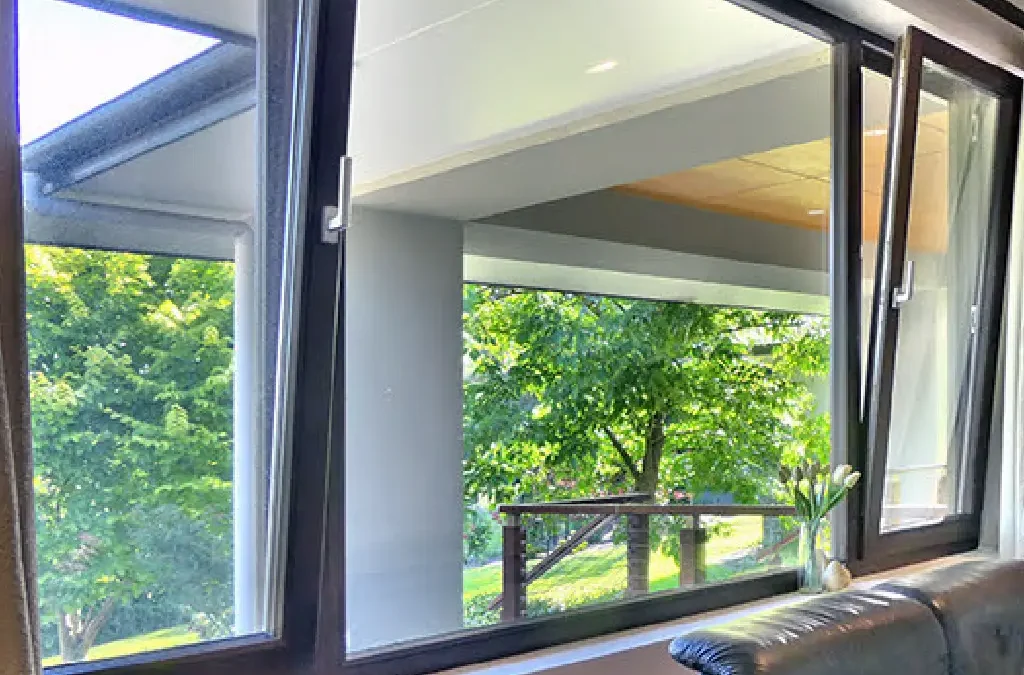
  • Tilt mode: The top of the window tilts inward while the bottom stays fixed. This creates a small opening at the top, allowing fresh air to flow in while keeping the room safe and secure.
  • Turn mode: The entire window swings open inward, like a door. This gives you full access to the outside for cleaning or maximum ventilation.

So, in one frame, you essentially get two functions. That is why many people call this type of window is “two-in-one window solution”.

Everyday Scenarios Where This Type of Windows Make Life Easier

Rather than just listing features, let us talk about everyday situations where this type of window can make a real difference.

1. If You Live in a High-Rise Building

Cleaning windows on the upper floors is usually a nightmare. You either have to hire professional cleaners, lean dangerously outside, or use awkward tools. With these windows, you simply swing the window inward (like a door), and you can clean both sides of the glass while standing safely inside your home.

No ladders. No risk. No stress.

2. If You Have Young Children or Pets

Every parent knows the fear of leaving a window open when kids are around. With a traditional window, there is always a risk of someone leaning too far. With tilt mode, you can let fresh air in without creating a wide opening. The small top gap provides ventilation while keeping children and pets safe.

It is like having built-in peace of mind.

3. If You Want to Save on Energy Bills

These European style windows seal extremely tightly when closed. That means no chilly drafts in winter and no wasted air conditioning in summer. The design helps maintain a comfortable indoor temperature, which directly translates into lower energy bills.

Over time, the savings can more than make up for the initial investment.

4. If You Live in a Busy Neighborhood

Noise pollution is a big issue for homeowners in urban areas. Because these incredible windows have a snug, airtight seal, they block out a surprising amount of street noise. Imagine enjoying a quiet evening indoors even when traffic is buzzing outside.

5. If You Value a Modern Look

Let us not forget about style, have a sleek, European-inspired design. They fit beautifully into modern homes and renovations, instantly upgrading your curb appeal.

Casement Windows — Side Hinged Windows

Why One Window Type Cannot Do It All (But This One Almost Does)

Each window style has its strengths:

To really understand when you should consider the tilt and turn type of windows, it helps to compare them directly with other common types.

  • Tilt and Turn vs. Casement: Casement only swings outward. Tilt and turn mode offers inward opening and tilt mode for safety.
  • Tilt and Turn vs. Sliding: Sliding saves wall space but is harder to clean and less energy efficient. Tilt and turn mode is easier to maintain and better sealed.
  • Tilt and Turn vs. Awning: Awning is good for rain ventilation but limited in access. Tilt and turn mode gives you full flexibility.

The problem? None of these styles give you all benefits at once. Tilt mode and turn mode windows come very close. You get controlled ventilation, safety, full opening for cleaning, and energy efficiency all in one.

For many homeowners, this balance of practicality and style is exactly what they were missing.

Common Concerns (And Why They Should Not Stop You)

Whenever something sounds “too good to be true,” people naturally have doubts. Let us address the most common ones.

“Are they too expensive?”

Yes, they usually cost more upfront than standard sliders or casements. But remember, you are paying for a premium product that saves energy, lasts longer, and often increases your home value. Many homeowners see it as an investment, not just an expense. 

“Are they complicated to use?”

Not at all. One handle controls both functions. Tilt the handle upward for ventilation, turn it sideways to swing open fully. Within a week, it becomes second nature.

“Do they fit all homes?”

Absolutely. They are available in different sizes and finishes, from modern vinyl to classic wood. Whether you live in a condo, townhouse, or detached home, they can be customized to suit your space.

When You Should Seriously Consider Tilt and Turn Type of Windows

Here are the exact moments when choosing this window style makes the most sense:

  1. During a Major Home Renovation – Perfect time to upgrade to a more versatile and energy-efficient style.
  2. If You Are Replacing Drafty Windows – This type of windows eliminate leaks and drafts.
  3. When You Want Safety Without Sacrificing Fresh Air – Especially important for families with children and pets.
  4. If You Live on Upper Floors – Cleaning becomes easy and safe.
  5. When Energy Efficiency Rebates Are Available – Many regions in Ontario and Canada offer incentives for upgrading windows.
  6. If You Want Long-Term Value – They may cost more initially but save money and add resale appeal.

Types Of Windows

Why Professional Installation is Critical

A great window is only as good as the team that installs it.

Even the best types of window will fail if it is not installed properly. Misaligned frames can cause leaks, poor insulation, or difficulty in opening and closing.

That is where experts like AZTech Doors & Windows come in. With professional installation, you get:

  • Perfect fitting for maximum efficiency.
  • Proper sealing against drafts and leaks.
  • Long-lasting performance backed by warranty.

Think of it this way: hire us for your home window replacements.

How To Use The Windows Calculator – Cost Estimates

How To Use The Windows Calculator – Cost Estimates

Let’s go through the steps when using our Windows Calculator.

Step 1 – go to our Windows Calculator.

You’ll see that there are a number of rows and columns on our Windows Calculator.  The rows represent each window with unique parameters; the columns have fields for the specifics of each window you want to have installed that have the most impact on the price.

Builder Repairs Plastic Window

Step 2 – Select or fill in the information for the first row on the Windows Calculator.

Each row has 9 simple pieces of information you add for each window.  These include:

  • What floor the window is located on
  • The location in the house (bedroom, washroom, etc.)
  • The number of windows of the same size and construction.  It is quite common to have several similar windows in 1 area.
  • Window width in inches (we need to insert a link to a couple of photos – “how to measure the windows”)
  • Window height in inches
  • The installation type (retrofit or full frame)  links to an explanation of the terms
  • The window shape (rectangle or other)
  • A checkbox for whether or not grilles are to be included
  • The color of your window frame (white, black, or other) exterior. (For non-white interiors please contact us).

Step 3 – fill in the same information for any additional windows.

You can add as many windows as you want to the Calculator – the default number of rows is 10, but you can add as many rows as you want, using the add row button on the bottom left of your screen.

    Step 4 – scroll to the bottom of your screen to see the estimated cost.

    You’ll notice that the Windows Calculator updates as soon as you finish inputting information for the row you’re on.  That way, you can see right away what the costs look like.  This is great for budgeting purposes; once you’ve reached your budget limit, you’ll see how many windows can be replaced for the dollars you have planned.

      Body Of Man In Work Uniform

      Step 5 – print or save your calculations and rough estimate.

      When you’ve inputted all your window data, you’ll have a total dollar estimate showing.  It will give you the number of windows, the estimated price, the HST and a grand total.  Now you can use the Print/Save button to keep a record of your work.

      You can always go back to your input data on the Windows calculator to change things around – add or remove windows, or change dimensions and other details.  We believe our Windows Calculator is a great way for you to get going on your window replacement project. Remember – we are with you every step of the way after that, in helping you create exactly what you want from your windows.  We look forward to working with you.
      Now, go ahead – give our Windows Calculator a try.

      Don’t forget – you are helping us by doing your homework and we appreciate it. Claim your $200 off the job when you submit us an Estimate done with the use of our Windows Calculator.

        9 Signs That It’s Time to Replace Your Windows and Doors

        9 Signs That It’s Time to Replace Your Windows and Doors

        Signs that it’s Time to Replace Your Windows and Doors

        Are you wondering how to really tell when your windows or doors have kicked the bucket? It can feel daunting to even think about replacing them. However, just like with your roof, appliances, or other essentials, it’s something that eventually can’t be ignored. Plus, they have a major impact on the comfort, safety, cost, and aesthetics of your home. To learn when it’s time to take notice, here are nine signs you need to be on the lookout for that it’s time to replace your windows and doors.

        The Frames Are Warped and Cracked

        One of the first signs is usually any damage along the frames of the windows or doors. Warped, cracked, and/or split frames not only look unattractive, but they can also cause air leaks in your home. This can impact your comfort level and your energy bills each month. In addition, it’s a pain to control indoor relative humidity as a result – for a healthy environment, it should be between 40 and 60 percent – as the moisture escapes through these openings.

        Your Energy Costs Are High

        As mentioned, old, cracked, and warped windows or doors are a major contributing factor to spiking heating and cooling bills. When you have your thermostat blasting away with gaps or air leaks along your windows, this can force your HVAC system to work even harder just to keep your home comfortable. And with energy costs increasing rapidly, more homeowners are recognizing the benefits of upgrading to newer models that can retain the temperature and provide greater insulating properties to keep those monthly costs lower.

        You Live in a Noisy Neighbourhood

        Is your surrounding neighbourhood ruining your sleep? Enduring constant noise and interruptions when you’re at home can have a serious impact on your overall quality of life, especially if you work from home. If you or your family have been struggling with the excessive sounds, whether it’s from buses, a nearby airport or loud neighbours, newer windows and doors with dual-pane glass can help keep your home nice and quiet.

        Your Furniture is Fading

        The single-pane glass used in many older windows and doors can also cause your furniture, artwork, and other personal items to fade over time. If you notice that many items near the window are looking washed out, especially woods and fabrics, replacing the windows with newer designs can block out the UV rays and prevent this from happening by up to 95%!

        Your Curb Appeal Looks Drab

        When you stand on the sidewalk and look up at your home, what’s your first impression? If you think it’s looking weathered and worn, take a closer look along your windows and front door. These can seriously impact the look of your home, making it look unkempt and older than it really is. By replacing them, you can help to maintain your most significant investment – not to mention keep your property’s value where it ought to be.

        They’re a Nuisance to Open

        Do you or your family members struggle to open the windows or doors in your house? If so, this could be a potential safety hazard. Your family should be able to get out of your house quickly in case of a fire or other emergency. So, if your windows or doors are sticking or not functioning properly, it might be time to consider swapping them out. 

        They Leak During a Storm

        If your ageing windows or old patio doors end up leaking and letting water pool inside your home during a storm, take this as a sign to replace them. Aside from affecting your comfort, frames, and flooring, this can also lead to mould and mildew spores, which can pose a health hazard to you and your family. If you notice leaks or signs of mould along your window or door frames, it’s time to upgrade.

        It Takes too Much Time and Money to Maintain

        If you’re spending more money and time just trying to maintain your patio doors, front door, or windows, it might be a red flag – especially if you’re spending more than you had hoped. You can put an end to all that costly maintenance with advanced frames made from aluminum or vinyl, which are exceptionally strong, durable, and can hold up to the weather.

        Read more about signs winter damages your windows and doors.

        Buyers Aren’t Biting

        Have you placed your home up for sale with no real potential bites from buyers yet? Your old windows or doors could be partially to blame. These days, home buyers aren’t interested in purchasing older homes that require a lot of time and money to renovate. They want a home that’s practically move-in ready, and that includes upgraded energy-efficient windows and doors. They’re also willing to pay more for these upgrades in the asking price. So, if you’re planning to sell, make sure to perform this upgrade first.

        Other Considerations

        There are other factors the CMHC says homeowners should take into consideration regarding window and door renovations. These include making sure they match the original style of a house, determining how much moisture is being let in when in use, and if excessive amounts of condensation forms on windows. If homeowners still have a hard time determining whether to repair or replace windows and doors, a certified home inspector can help. With winter in full swing, it may be a good idea to have the entire house examined as a precaution.

        Read more about condensation on windows in winter.

        When you’re looking for qualified, professional, and reliable installation services for your home, contact us at Aztech Doors & Windows. We’re happy to provide you with energy-efficient, highly dependable window and door solutions that are built to last and look great!

        Call Now Button