How New Windows Lower Your Energy Bills

How New Windows Lower Your Energy Bills

If your energy bills feel higher than they should be, your windows may be part of the problem. Many homeowners think first about their furnace, air conditioner, or thermostat when energy costs go up. Those systems matter, but your windows play a major role in how hard your home has to work to stay comfortable.

Old, drafty, or poorly sealed windows can let warm air escape during winter and allow unwanted heat to enter during summer. In a climate like Toronto and the surrounding GTA, that matters. Homes in Vaughan, Mississauga, Burlington, Oakville, Markham, Richmond Hill, and nearby communities deal with cold winters, humid summers, strong winds, rain, snow, and fast temperature changes. If your windows are no longer performing well, your heating and cooling systems may be working harder than necessary.

New energy-efficient windows can help lower your energy bills by reducing heat loss, limiting drafts, improving insulation, and helping your home maintain a more stable indoor temperature. They are not magic, and every home is different, but quality windows installed properly can make a noticeable difference in comfort and energy performance.

This guide explains how new windows lower your energy bills, what features matter most, and when replacing old windows may be a smart investment for GTA homeowners.


Why Windows Affect Your Energy Bills

Windows are one of the main areas where heat can move in and out of a home. In winter, warm indoor air can escape through old glass, worn seals, gaps, and poorly insulated frames. In summer, sunlight and outdoor heat can make rooms hotter, causing the air conditioner to run more often.

Natural Resources Canada explains that windows, doors, and skylights can account for up to 35 percent of total house heat loss. For homeowners, that means windows are not just a design feature. They are part of the home’s overall energy performance.

Energy bills rise when your heating or cooling system has to work longer to make up for that heat loss or heat gain. If the windows are drafty, outdated, or poorly sealed, the furnace or air conditioner may keep running even when the thermostat is set at a reasonable temperature.
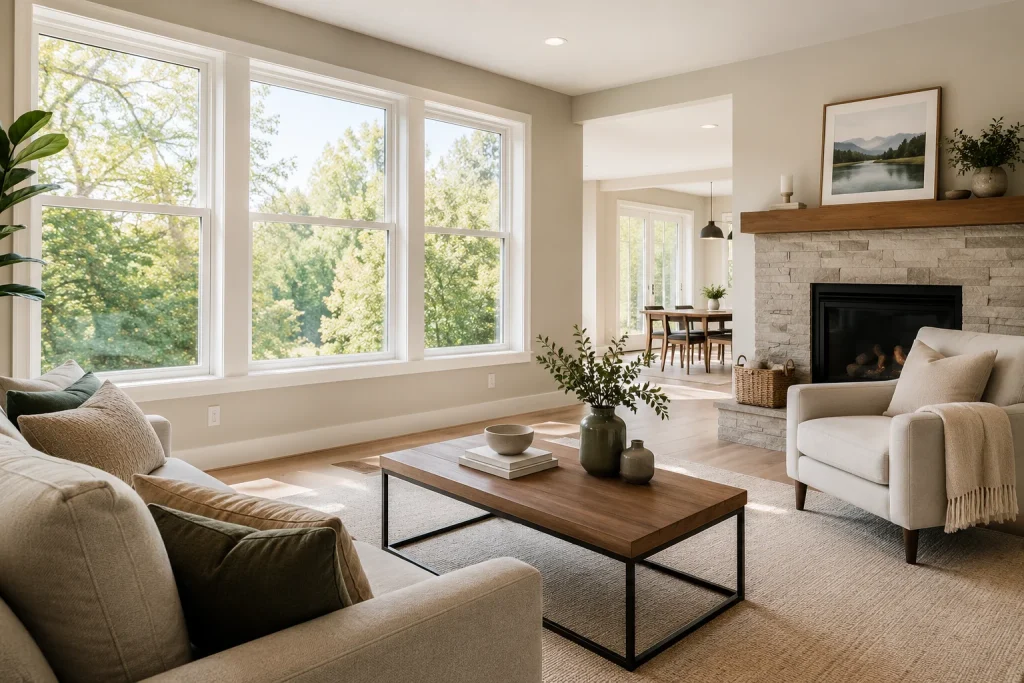
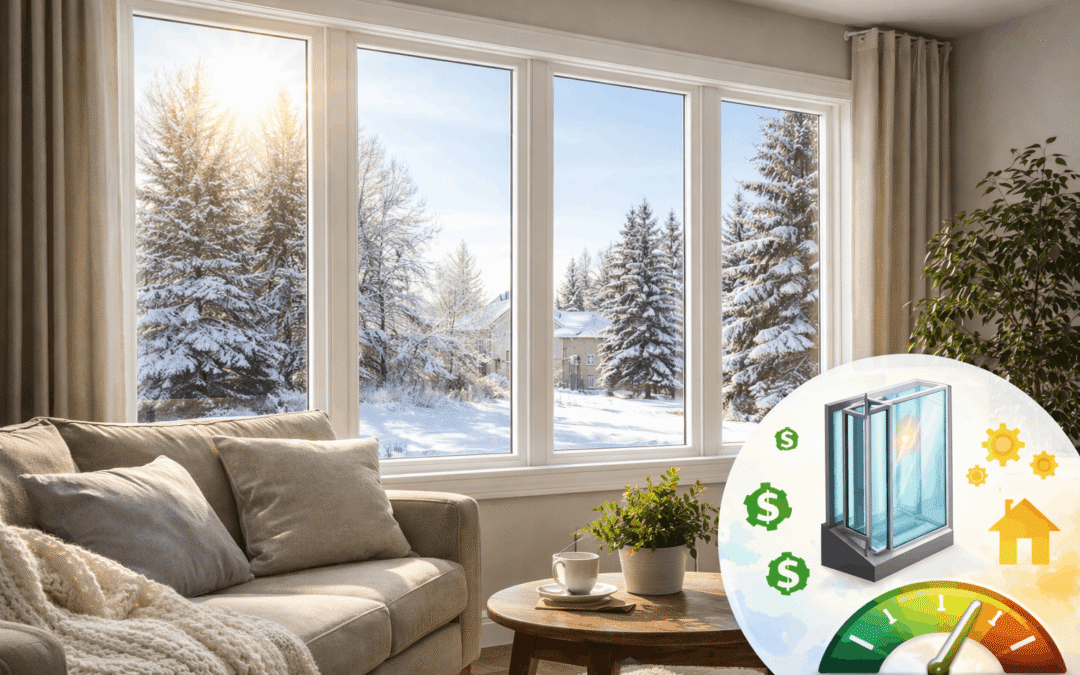
Energy Bills Bright Living Room

How New Windows Help Lower Energy Bills

New windows help lower energy bills by improving the way your home holds indoor temperature. In simple terms, they help keep warm air in during winter and reduce unwanted heat during summer.

Window ImprovementHow It HelpsWhy It Can Affect Energy Bills
Better sealingReduces drafts around the windowYour heating and cooling systems do not need to work as hard
Multiple glass panesAdds layers between indoors and outdoorsHelps slow heat transfer through the glass
Low-E glassHelps control how heat moves through the glassImproves comfort in both winter and summer
Gas-filled glass unitsUses insulating gas between glass panesHelps reduce heat movement through the window
Improved framesProvides better structure and sealingReduces air leakage and long-term performance issues
Professional installationSeals the window opening properlyPrevents energy loss around the frame

The biggest benefit comes when these features work together. A good window product matters, but proper installation matters just as much. Even a strong window can underperform if it is not fitted and sealed correctly.


Old Windows Can Make Your Home Work Harder

Older windows often lose efficiency over time. The frame may shift, seals may wear down, weatherstripping may crack, and glass may no longer provide enough insulation. Weatherstripping is the material around the window that helps block air leaks. When it wears out, cold or warm air can move through the gaps.

In winter, this can make rooms feel cold near the window. You may turn up the heat, use space heaters, or avoid sitting near certain areas of the home. In summer, rooms with older windows may overheat faster, especially if they face the sun for much of the day.

These comfort issues can increase energy use because your home is constantly trying to correct the temperature. New windows help reduce that pressure by creating a better barrier between the inside and outside.


Signs Your Windows May Be Increasing Your Energy Bills

You may not know exactly how much your windows are affecting your energy bills, but there are clear warning signs that they are no longer performing well.

Warning SignWhat It Could MeanWhy It Matters
You feel drafts near the windowAir is leaking through gaps or weak sealsYour heating or cooling system has to compensate
Rooms feel cold in winterThe window may be losing too much heatThe room may need more heat to stay comfortable
Rooms overheat in summerThe glass may allow too much solar heat insideYour air conditioner may run more often
There is fog between glass panesThe seal between the panes may have failedThe window may have lost insulating performance
Windows are hard to close or lockThe sash or frame may be warped or wornThe window may not seal tightly
Condensation appears oftenHumidity, cold glass, or poor performance may be involvedMoisture can affect comfort and home condition
Energy bills are high but comfort is poorYour home may be losing energy through weak pointsWindows and doors should be inspected

If several of these issues are happening at the same time, window replacement may be more practical than small repairs.
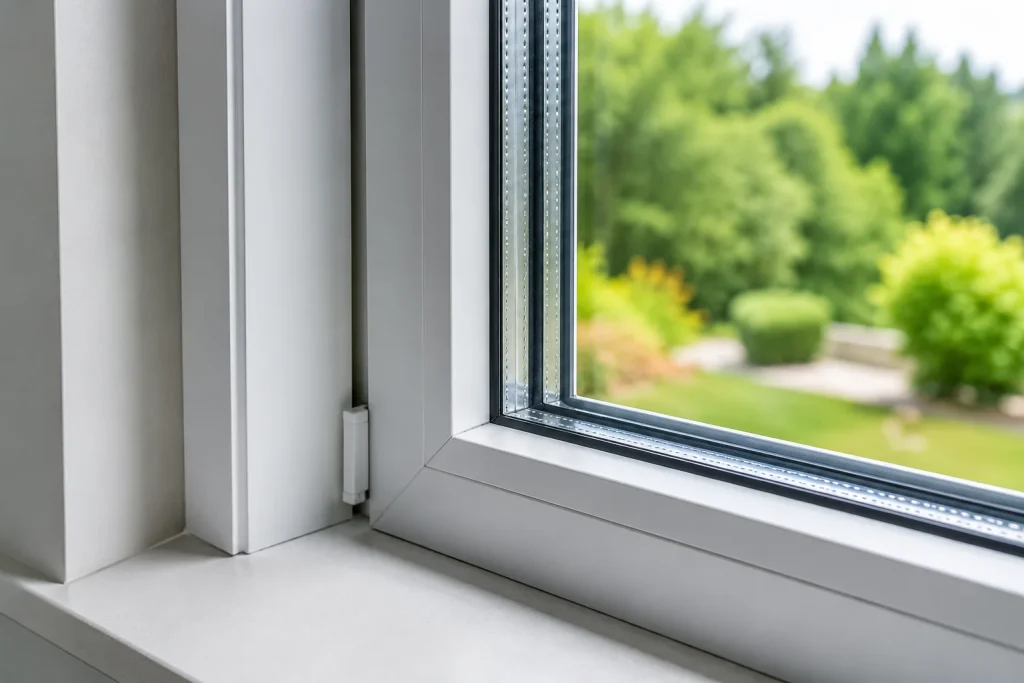
Energy Efficient Window Detail

Low-E Glass Helps Control Heat

Low-E glass is one of the most common features in modern energy-efficient windows. Low-E stands for low emissivity. That sounds technical, but the idea is simple: the glass has a special coating that helps control heat movement.

In winter, Low-E glass can help keep indoor warmth from escaping too quickly. In summer, it can help reduce unwanted heat from the sun. This is important for GTA homes because the same window needs to perform well in very different seasons.

For example, a west-facing living room in Mississauga may get strong afternoon sun in the summer. A bedroom in Vaughan may feel cold near the window in January. Low-E glass helps manage both situations by improving how the window handles heat.


Double-Pane and Triple-Pane Windows

Another reason new windows can lower energy bills is the use of multiple panes of glass. A pane is one sheet of glass. Older windows may have only one pane, while many modern windows use two or three panes.

Double-pane windows have two layers of glass. Triple-pane windows have three. The space between those panes helps reduce the movement of heat through the window.

Window TypeSimple ExplanationBest For
Single-pane windowOne layer of glassOlder homes, but generally less efficient
Double-pane windowTwo layers of glass with space between themMany modern homes and replacement projects
Triple-pane windowThree layers of glass with two insulating spacesHomes needing stronger comfort, efficiency, or noise reduction

More glass layers can improve comfort, but the right choice depends on your home, budget, window size, sun exposure, and comfort goals. A professional window assessment can help determine whether double-pane or triple-pane windows make the most sense.


Gas-Filled Windows Help Slow Heat Transfer

Many modern windows use argon or krypton gas between the glass panes. These gases are used because they help slow heat transfer. Heat transfer means the movement of heat from one side of the window to the other.

Argon is commonly used because it performs well and is practical for many window designs. Krypton may be used in some higher-performance windows, especially where the space between panes is smaller.

You will not see or feel the gas inside the window, but it helps improve the insulating value of the glass unit. Combined with Low-E glass and strong seals, gas-filled windows can help the home stay more comfortable with less wasted energy.


ENERGY STAR Windows and Performance Ratings

When shopping for new windows, homeowners often hear about ENERGY STAR certified products. ENERGY STAR explains that certified windows, doors, and skylights are tested and verified for energy performance.

This matters because not all windows perform the same. The ENERGY STAR label helps homeowners compare products that are designed to meet energy-efficiency standards.

You may also see terms like U-factor, Solar Heat Gain Coefficient, Energy Rating, and air leakage. These terms can feel confusing, so here is a simple explanation.

TermSimple MeaningWhat Homeowners Should Know
U-factorMeasures how much heat passes through a windowLower usually means better insulation
Solar Heat Gain CoefficientMeasures how much heat from the sun enters through the glassImportant for rooms with strong sun exposure
Energy RatingA rating used to compare overall energy performanceHigher usually means better overall performance
Air leakageMeasures how much air passes through gapsLess air leakage usually means fewer drafts

You do not need to memorize these numbers. The main point is to choose windows that suit your climate, your home, and your comfort needs.


New Windows Can Help During Toronto Winters

Winter is when many homeowners notice window problems the most. A draft that feels minor in fall can become a real comfort issue in January or February.

Old windows can make the area near the glass feel cold, even when the rest of the room is warm. This can cause homeowners to raise the thermostat. Raising the thermostat may make the room feel better, but it can also increase energy use.

New windows can help by reducing drafts and improving insulation around the glass and frame. That means the room can feel more comfortable without forcing the heating system to work as hard.

This is especially valuable in older Toronto homes, where windows may have shifted over time, or in suburban GTA homes where large window openings can create noticeable heat loss if the windows are outdated.


New Windows Can Also Help During GTA Summers

Energy bills are not only a winter issue. In the summer, air conditioning can add a lot to monthly costs, especially during heatwaves.

Large windows can bring in beautiful natural light, but they can also bring in heat. If your windows allow too much solar heat into the home, rooms may become uncomfortable and your air conditioner may run longer.

Modern energy-efficient windows can help reduce unwanted heat gain. This is especially helpful for rooms with large windows, west-facing windows, or limited shade.

For homeowners in Burlington, Oakville, Mississauga, and other GTA communities where open layouts and large windows are common, better glass can make summer comfort much easier to manage.


Proper Installation Is Key to Energy Savings

The window itself is only part of the equation. Installation is just as important. A high-quality window will not deliver full benefits if there are gaps around the frame or if the opening is not sealed properly.

Proper installation helps block air leaks and water entry. It also helps the window open, close, and lock correctly. When the window fits properly, it can perform the way it was designed to perform.

Natural Resources Canada’s Keeping the Heat In guide explains that air sealing and insulation are important parts of home energy performance. For window replacement, this means the area around the window should be properly prepared and sealed.

This is one reason homeowners should work with an experienced installer. Homes across the GTA vary widely. A downtown Toronto semi-detached home may have older openings and settled framing. A newer home in Markham or Richmond Hill may have larger modern window openings. A Burlington or Oakville home may face different wind and weather exposure. The installation should match the home.


Windows and Doors Work Together

If your goal is to lower energy bills, do not only look at the windows. Exterior doors, patio doors, and side doors can also allow air leaks.

A front door that does not seal properly can make the entryway cold. A patio door that is hard to close may allow drafts. Worn weatherstripping around a side door can let in cold air all winter.

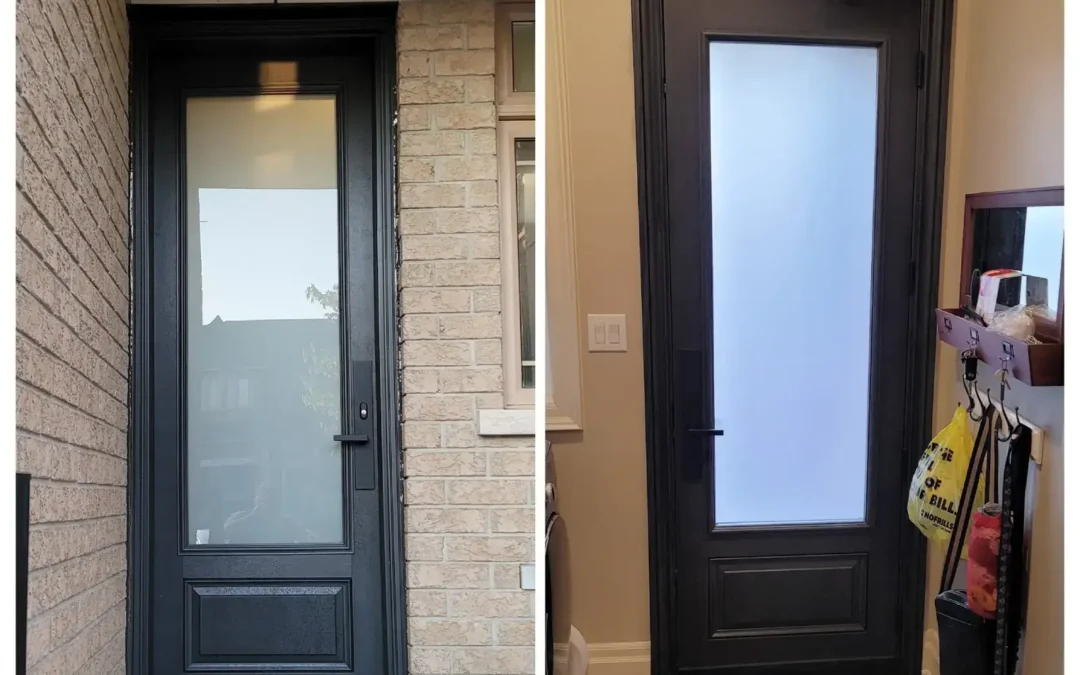
If you are already replacing windows, it is a smart time to inspect your doors too. AZTech offers door replacement, including options such as fiberglass doors, steel doors, and sliding patio doors.

Windows and doors are part of the home envelope. The home envelope means the parts of the home that separate the indoors from the outdoors, including windows, doors, walls, roof, insulation, and sealing. A stronger envelope helps the home stay more comfortable with less wasted energy.


How Much Can New Windows Save?

The honest answer is that savings vary. No company should promise the same savings for every home because every house is different.

How much you save depends on several factors:

  • The age and condition of your current windows
  • How many windows are being replaced
  • The type of new windows you choose
  • The quality of installation
  • Your home’s insulation and air sealing
  • Your heating and cooling system
  • Your thermostat habits
  • Your local exposure to sun, wind, and shade

For example, replacing very old, drafty single-pane windows will usually make a bigger difference than replacing newer windows that are already performing reasonably well. A full-home replacement will usually have more impact than replacing one small window.

Even when exact savings vary, the comfort improvement can be clear. Less draft, less heat loss, less overheating, and more consistent room temperatures all add value.


Repair or Replace: What Makes More Sense?

Some window problems can be repaired. If the window is newer and the issue is minor, repair may be enough. However, if the window is old, inefficient, damaged, or failing in several ways, replacement may offer better long-term value.

ProblemRepair May Be Enough IfReplacement May Be Better If
Minor draftThe weatherstripping is worn but the window is otherwise solidThe frame is warped or the window no longer closes tightly
Fog between glass panesOnly one small glass unit is affectedSeveral windows have failed seals or old frames
Hard to open or closeThe track needs cleaning or hardware adjustmentThe sash or frame is damaged or warped
High energy billsOther issues like thermostat habits are the main causeWindows are drafty, old, and visibly failing
CondensationIndoor humidity is the main issueThere is moisture between panes or frame damage

If your windows are no longer helping your home stay comfortable, it may be time to consider professional window replacement.


Budgeting for Energy-Efficient Windows

Window replacement costs depend on the number of windows, size, style, glass type, frame material, installation details, and finishing work. A large bay window will not cost the same as a smaller sliding window. A custom-shaped window will not cost the same as a standard casement window.

If you are trying to plan ahead, AZTech’s Windows Calculator can help you create a rough starting budget. It is not a final quote, but it can help you understand the possible range before booking an in-home consultation.

When comparing quotes, look beyond the total price. A good quote should explain what type of window is included, what glass package is being used, what installation work is covered, what finishing is included, and what warranty applies.


Best Window Styles for Energy Efficiency

Different window styles can offer different benefits. The best choice depends on the room, the opening, and how you use the space.

Window StyleBest ForEnergy Benefit
Casement windowsBedrooms, living rooms, kitchens, and areas needing ventilationCan seal tightly when closed
Awning windowsBathrooms, basements, and smaller openingsGood ventilation with practical sealing
Fixed windowsLarge views and rooms where opening is not neededNo moving parts can mean fewer air leakage points
Sliding windowsBasements, tight spaces, and practical openingsEasy operation and useful for many layouts
Bay and bow windowsLiving rooms and front-facing spacesImproves light and curb appeal when properly installed

The right window style should balance energy performance, natural light, ventilation, appearance, and ease of use.


Local Energy Bill Considerations for Toronto and the GTA

Energy use can feel different from one GTA home to another. A downtown Toronto home may have older windows and less wall insulation. A newer Vaughan or Markham home may have larger glass areas and open-concept rooms. A Burlington or Oakville home may experience stronger wind exposure depending on location. A Mississauga home may have sun-facing rooms that overheat during summer.

Because of these differences, the best window choice is not always the same for every home. Some homeowners need stronger winter comfort. Others need better summer heat control. Some need noise reduction because they live near a busy road, school, highway, or construction area.

A professional assessment can help identify which windows are causing the biggest comfort and energy problems, then recommend options that make sense for the home.


New Windows Are One Part of a More Efficient Home

New windows can help lower energy bills, but they work best as part of a whole-home approach. If your attic insulation is poor, your doors are drafty, or your furnace is not maintained, windows alone will not solve every energy problem.

To get better results, homeowners should also consider:

  • Checking exterior doors for drafts
  • Sealing obvious air leaks
  • Maintaining the furnace and air conditioner
  • Using a programmable or smart thermostat properly
  • Managing indoor humidity
  • Improving insulation where needed
  • Using window coverings to control heat and sunlight

Windows are a major part of the picture, but the whole home needs to work together.


New Windows Can Help Lower Energy Bills and Improve Comfort

New windows can lower your energy bills by reducing drafts, slowing heat loss, limiting unwanted summer heat, and helping your home maintain a more stable indoor temperature. For homeowners in Toronto, Vaughan, Mississauga, Burlington, Oakville, Markham, Richmond Hill, and the surrounding GTA, this can make a real difference through Ontario’s changing seasons.

If your current windows are drafty, foggy, hard to close, or making certain rooms uncomfortable, replacement may be a smart long-term investment. You may notice better comfort first, with energy efficiency benefits following as your home becomes easier to heat and cool.

To start planning your project, explore AZTech’s window replacement services, review available door replacement options, or use the Windows Calculator to build a rough project estimate. For a professional recommendation, contact AZTech Doors & Windows for a quote in Toronto and the surrounding GTA.


Are New Windows and Doors Worth the Investment?

Are New Windows and Doors Worth the Investment?

Have you noticed a sudden spike in your heating and cooling bills lately? Your outdated windows and doors could be to blame. While new windows and doors can keep those bills under control, are they really worth the investment? Find out whether or not replacing your windows is worth the money and energy.

High Return on Investment

New windows and doors will pay for themselves. For an average window and door replacement, you can expect to recoup up to 70-80% of the project cost in value! Replace them with high-quality energy-efficient models and the returns will grow even further. 

Enhanced Curb Appeal

Worn and aging looking windows and doors can really bring down the curb appeal of your home. You will be surprised at what a difference it makes when you finally replace the old ones with brand new materials. Not only can it dramatically boost the curb appeal, but it will also enhance the value of your home. And that’s a big plus if you are planning to sell your home in the near future.

Fewer Maintenance Costs

Older windows and doors can also cost you a lot of money to regularly maintain. From fixing scratches to replacing weatherstripping, broken seals, and faulty locks, it can often feel like the repairs are never-ending. And when your windows and doors are not doing their job of keeping the cold air out and the warm air in, your HVAC unit must work harder to keep your home at a comfortable level. This often equates to more repair and maintenance costs that you really don’t need. When you opt for new windows and doors, you don’t have to worry about coming up with the money to pay for annual maintenance or unexpected repairs. It will be years before you have to do anything to your windows and doors again – and that’s worth the investment right there.

Optimal Year-Round Comfort

Is your home constantly cold in the winter and uncomfortably humid in the summer, even when your thermostat is properly set to a comfortable level? That’s a sign your windows and doors have air leaks. By replacing your current windows with ones that have new glazing and doors with better sealants you will maintain more heat, reduce drafts, and minimize hot spots in your home. The result – optimal comfort year-round.

Are you ready to make this worthy investment for your home? Reach out to us today at Aztech Door and Windows and we will help you find the best replacement windows for your home. We only sell top of the line, energy-efficient models, so you can rest assured that you will be getting the best return on investment and lowest bills going forward when you buy from us.

Fall Maintenance Tips for Your Home and Windows

Fall Maintenance Tips for Your Home and Windows

Fall is one of the best times of year to inspect your home’s windows and doors. Once the colder weather arrives in Toronto and the surrounding GTA, small problems can quickly become much more noticeable. A tiny draft in September can become a cold room in January. A little condensation on the glass can turn into moisture around the frame. A worn door seal can make your furnace work harder than it should.For homeowners in Toronto, Vaughan, Mississauga, Burlington, Oakville, Markham, Richmond Hill, and nearby communities, fall maintenance is not just about cleaning up leaves. It is about getting the home ready for Ontario winter. Windows and doors are especially important because they help protect your home from cold air, moisture, wind, and heat loss. 


The good news is that many fall window maintenance tasks are simple. You do not need to be a contractor to spot obvious warning signs. You just need to know what to look for, what can be handled with basic maintenance, and when it may be time to call a professional.

Here are practical fall window maintenance tips to help keep your home warmer, drier, and more comfortable before winter settles in.


Why Fall Window Maintenance Matters in Ontario

Ontario weather can be tough on windows and doors. During the fall, temperatures begin to swing between mild afternoons and cold evenings. By winter, windows may face freezing temperatures, snow, ice, wind, and indoor humidity from heating systems and daily activities.

When windows are in good condition, they help keep your home comfortable. When they are damaged, poorly sealed, or outdated, they can let heat escape and cold air enter.

Natural Resources Canada notes that windows, doors, and skylights can account for up to 35 percent of total house heat loss. That is a big deal for homeowners heading into the cold season. Even if your furnace is working well, old or leaking windows can make the home feel uncomfortable and less efficient.

Fall maintenance helps you catch problems before winter makes them worse. It can also help you decide whether a window needs a simple fix, professional repair, or full replacement.


Fall Window Maintenance Checklist

Use this checklist as a starting point before the first deep freeze. It can help you inspect each window in a clear and organized way.

What to CheckWhat to Look ForWhy It Matters
GlassCracks, fog between panes, chips, or damageDamaged glass can reduce comfort and may get worse in winter
FramesWarping, soft spots, rot, gaps, or movementWeak frames can allow air and moisture to enter
WeatherstrippingLoose, cracked, flattened, or missing sealsWorn seals can create drafts
CaulkingCracked, missing, or separated caulking around the exteriorDamaged caulking can allow water and air leaks
TracksDirt, leaves, dust, bugs, or debrisDebris can make windows harder to open and close
Locks and hardwareLoose locks, stiff handles, or broken partsWorking locks help with comfort, security, and sealing
CondensationWater on glass, sills, or around the frameExcess moisture can lead to damage if ignored

1. Clean the Glass, Frames, and Window Tracks

Start with a basic cleaning. Clean windows are easier to inspect, and clean tracks help windows open and close properly.

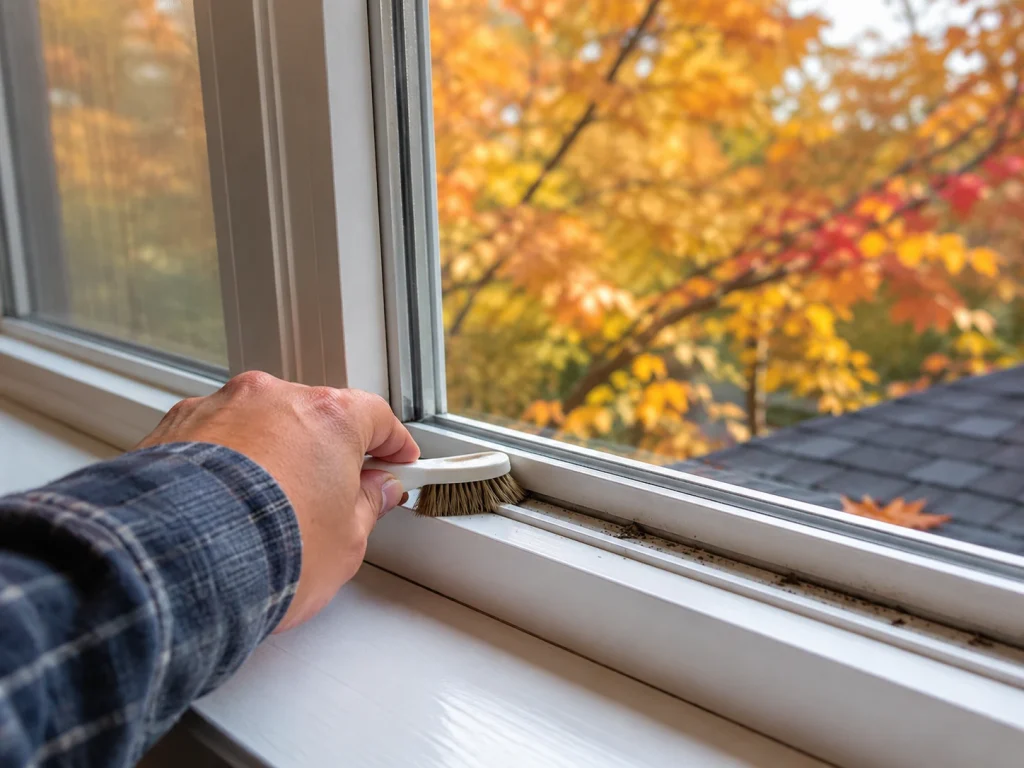
Use a soft cloth, mild soap, and water to clean the glass and frames. Avoid harsh cleaners or abrasive tools that could damage the finish. For window tracks, use a vacuum with a small attachment to remove dust, leaves, and debris. A soft brush can help loosen anything stuck in the corners.

This is especially important for sliding windows, hung windows, and patio doors, where dirt can build up in the tracks. If the track is blocked, the window or door may not close tightly. That can lead to drafts and poor sealing in winter.

Do not forget the window sill. The sill is the flat surface at the bottom of the window. If water sits there for too long, it can damage paint, trim, drywall, or wood.

Fall Window Track Cleaning

2. Check for Drafts Around Each Window

A draft is unwanted air coming into the home through gaps or weak seals. In the fall, check for drafts before the weather gets too cold.

Walk around each room and place your hand near the window frame. If you feel cool air moving in, there may be an air leak. Pay close attention to corners, edges, and the bottom of the window.

You can also look for visual signs, such as moving curtains, dust patterns near the frame, or uneven room temperatures. If one room always feels colder than the others, the windows may be part of the problem.

Some drafts can be fixed with new weatherstripping or caulking. However, if the window is old, warped, damaged, or no longer closing properly, replacement may be the better long-term option.

If you are unsure whether a window should be replaced, AZTech’s guide on replacing windows can help you understand what to consider.


3. Inspect the Weatherstripping

Weatherstripping is the material around the window that helps seal the gap between moving parts. When it is in good condition, it helps stop drafts. When it is worn out, flattened, cracked, or missing, cold air can enter the home more easily.

Open and close each window. Look along the edges and check whether the weatherstripping is still flexible and properly attached. If it looks brittle, damaged, or loose, it may need to be replaced.

This is a small detail that can make a big difference during winter. A window does not need a large opening to create a noticeable draft. Even small gaps can affect comfort when the temperature drops.

For older windows, worn weatherstripping may be only one part of a bigger issue. If the frame is also warped, the glass is foggy, or the window no longer locks tightly, it may be time to explore window replacement.


4. Look at Exterior Caulking Before Winter

Caulking is the sealant used around the outside edges of windows and doors. It helps keep water and air from entering the home. Over time, caulking can dry out, crack, shrink, or pull away from the surface.

Fall is a smart time to inspect exterior caulking because winter can make these problems worse. Water can enter small cracks, freeze, expand, and create more damage. This is common in climates with freeze-thaw cycles, where temperatures move above and below freezing.

Walk around the outside of your home and inspect the caulking around each window. Look for cracks, gaps, peeling, or missing sections. If you find small areas of damage, they may be repairable. If the damage is widespread or connected to frame movement, water staining, or rot, it is better to get a professional opinion.


5. Watch for Condensation and Moisture

Condensation happens when warm indoor air meets a cold surface, such as window glass. Some condensation can happen during winter, especially when indoor humidity is high. Humidity means the amount of moisture in the air.

A little condensation on the glass may not always mean the window is failing. However, heavy condensation, water pooling on the sill, mold-like spots, peeling paint, or soft trim should not be ignored.

Health Canada recommends addressing indoor moisture because moisture can contribute to mold growth. Health Canada also advises homeowners to check window sills regularly for condensation or moisture during colder months.

The Canada Mortgage and Housing Corporation explains that mold needs moisture to grow, and moisture can come from daily activities or from water entering through cracks and leaks.

If you see frequent moisture around windows, check more than the glass. Look at indoor humidity, bathroom ventilation, kitchen exhaust, exterior drainage, and whether the window itself is leaking or failing.


6. Test Locks, Handles, Hinges, and Moving Parts

A window that does not lock properly may not seal properly. This can affect comfort, security, and energy performance.

Before winter, open and close each window. Check whether the handle feels secure. Test the lock. Look at hinges and moving parts. If the window sticks, grinds, refuses to close fully, or feels loose, it needs attention.

For sliding windows and patio doors, make sure the track is clean and the unit moves smoothly. If the unit does not close all the way, you may feel drafts even when it looks shut.

Some hardware issues are minor. Others may point to a larger problem, such as a warped frame, damaged sash, or old window that no longer fits correctly. The sash is the part of the window that holds the glass and moves when the window opens.


7. Inspect Exterior Doors at the Same Time

Windows are not the only areas that can leak air. Exterior doors, patio doors, and storm doors should also be checked in the fall.

Look around the edges of each exterior door. Check the weatherstripping, door sweep, threshold, glass inserts, and frame. The door sweep is the strip at the bottom of the door that helps block air from coming in underneath. The threshold is the bottom part of the doorway that the door closes against.

If you can see daylight around the door, feel drafts, or notice water staining near the frame, the door may not be sealing properly.

Sometimes weatherstripping or a door sweep can be replaced. If the door is dented, warped, rotting, badly weathered, or no longer secure, it may be time to consider exterior door replacement. Homeowners looking to update both appearance and performance can also explore fiberglass doors or steel doors.


8. Clean and Store Window Screens

Fall is also a good time to clean and inspect window screens. Screens collect dust, pollen, leaves, and debris during spring and summer. If they are left dirty all winter, that buildup can become harder to remove later.

Remove screens carefully, rinse them with mild soap and water, and let them dry fully before storing them. Check for rips, bent frames, or loose corners.

Some homeowners remove screens during winter to improve airflow near the glass and reduce places where dust and moisture collect. If you do remove them, store them upright in a dry area where they will not be bent or damaged.


9. Check the Roof, Gutters, and Downspouts

Even though this article focuses on windows and doors, fall home maintenance should also include the roof and gutters. Water problems around windows can sometimes begin above the window, not at the window itself.

Clogged gutters can cause water to overflow and run down exterior walls. Damaged downspouts can send water too close to the foundation. Missing shingles, damaged flashing, or roof issues can also allow water to travel into places it should not.

Before winter, make sure gutters are clear, downspouts are directing water away from the house, and roof issues are addressed. If you are not comfortable checking the roof yourself, hire a professional. Safety first, ladder drama is not worth it.


10. Book Furnace or HVAC Maintenance Before the Cold Hits

Your windows and doors help control heat loss, but your heating system still needs to work properly. Fall is a good time to inspect or service your furnace before the busy winter season.

ENERGY STAR recommends regular heating and cooling maintenance, including changing air filters and scheduling yearly tune-ups. A clean and well-maintained heating system can help improve comfort and efficiency.

If your furnace is working harder because of old windows and doors, you may notice uneven temperatures, high heating bills, or rooms that never feel warm enough. In that case, both the heating system and the windows should be looked at.


Fall Maintenance: Repair or Replace?

Not every window problem means you need full replacement. Some issues can be repaired, especially if the window is newer and the damage is minor.

However, replacement may be the better option when the same problems keep coming back or when the window is too old to perform well.

ProblemPossible RepairWhen Replacement May Be Better
Minor draftReplace weatherstripping or seal a small gapThe frame is warped or the window no longer closes tightly
Small caulking gapRemove old caulking and reseal properlyThere is water damage, rot, or movement around the frame
Dirty or stiff tracksClean and lubricate moving partsThe window still sticks or will not lock after cleaning
Condensation on room-side glassManage indoor humidity and ventilationThere is moisture between panes of glass
Broken hardwareReplace a handle, hinge, or lockThe window system is old and multiple parts are failing
Cracked glassProfessional glass repair may be possibleThe frame is also damaged or the window is outdated

If your windows are older, drafty, foggy between panes, difficult to use, or showing signs of water damage, it may be time to plan a replacement before winter gets worse.


Best Time to Plan Window Replacement Before Winter

Fall can be a practical time to plan window replacement because problems are easier to spot before the coldest weather arrives. If you already noticed drafts last winter, condensation around the glass, or rooms that were hard to keep warm, do not wait until the first major cold snap to investigate.

For homeowners across Toronto, Burlington, Oakville, Vaughan, Mississauga, and the surrounding GTA, booking early can also make scheduling easier before winter demand increases.

If you are planning a project and want a starting point for budget planning, AZTech’s Windows Calculator can help you create a rough estimate before booking a professional quote.


Simple Fall Window Maintenance Checklist for GTA Homes

Here is a quick checklist you can use every fall:

  • Clean window glass, frames, tracks, and sills
  • Check each window for drafts
  • Inspect weatherstripping for cracks or gaps
  • Look at exterior caulking around each window
  • Watch for condensation, water stains, or mould-like spots
  • Test locks, handles, hinges, and moving parts
  • Inspect patio doors and exterior doors
  • Clean and store screens if needed
  • Clear gutters and downspouts
  • Schedule furnace or HVAC maintenance before winter
  • Call a professional if windows are leaking, damaged, foggy, or no longer sealing properly


Get Your Windows Ready Before Winter

Fall is the right time to inspect your windows and doors before Ontario winter puts them to the test. A little maintenance can help your home feel warmer, drier, and more comfortable. It can also help you catch small issues before they become expensive problems.

Start with cleaning, draft checks, weatherstripping, caulking, moisture control, and hardware testing. Then look at the bigger picture. If your windows are old, drafty, damaged, foggy, or hard to operate, replacement may be the better long-term solution.

AZTech Doors & Windows helps homeowners across Toronto, Vaughan, Mississauga, Oakville, Burlington, Markham, Richmond Hill, and the surrounding GTA with professional window and door replacement. To prepare your home for the colder months, explore our window replacement services, review our door replacement options, or contact us to request a quote.

New Windows Are Your Way to a Reduced Environmental Footprint

New Windows Are Your Way to a Reduced Environmental Footprint

For many homeowners, replacing windows starts with a comfort problem. A room feels cold in the winter. The upstairs gets too hot in the summer. The glass feels drafty. Condensation keeps showing up. Energy bills feel higher than they should. But beyond comfort and cost, there is another important reason to look at your windows: your home’s environmental footprint.Your environmental footprint is the impact your home has on the environment through energy use, waste, heating, cooling, and daily operation. In simple terms, the more energy your home wastes, the harder your heating and cooling systems need to work. That can increase energy use and contribute to higher greenhouse gas emissions, especially in homes that rely on natural gas, oil, or electricity from non-renewable sources.For homeowners in Toronto, Vaughan, Mississauga, Oakville, Burlington, Markham, Richmond Hill, and the surrounding GTA, windows play a major role in how a home performs throughout the year. Ontario homes deal with freezing winters, humid summers, strong winds, heavy rain, and sudden temperature swings. If your windows are old, drafty, poorly sealed, or no longer performing properly, your home may be using more energy than necessary just to stay comfortable. 


New, energy-efficient windows can help reduce wasted energy, improve comfort, and support a more environmentally responsible home. They are not the only factor in home efficiency, but they are one of the most visible and practical upgrades a homeowner can make.


Why Windows Matter for Your Home’s Environmental Impact

Windows do not use energy on their own. They do not run like a furnace, air conditioner, or appliance. However, they affect how much energy those systems need to use.

If your windows allow heat to escape during winter, your heating system has to work harder. If your windows allow too much heat into the home during summer, your air conditioner has to work harder. Over time, that extra demand can increase energy use, monthly costs, and environmental impact.

Natural Resources Canada explains that windows, doors, and skylights can account for up to 35 percent of total house heat loss. For homeowners, that means old or inefficient windows can have a real effect on both comfort and energy waste.

Replacing old windows with properly installed, energy-efficient options can help create a tighter and better-performing home. That does not mean your home becomes perfect overnight, but it can reduce one of the major weak points in the building.


What Is an Environmental Footprint?

An environmental footprint is a simple way to describe how much your home affects the environment. It can include the energy used for heating and cooling, the resources used to maintain the home, and the waste created when materials wear out and need to be replaced.

For a home, one of the biggest areas is energy use. Heating in winter and cooling in summer are major demands. When windows are not performing well, your home may lose heat in winter and gain too much heat in summer. This makes the home less efficient.

Reducing your environmental footprint does not always mean making dramatic changes. It can start with practical upgrades that help your home waste less energy. New windows can be one of those upgrades.


How Old Windows Waste Energy

Older windows can waste energy in several ways. Some problems are easy to see, while others are not obvious until you feel the difference inside the home.

Window ProblemWhat It MeansHow It Affects Energy Use
DraftsAir is leaking around the window frame or sealThe heating or cooling system works harder to maintain the temperature
Single-pane glassThe window has only one layer of glassHeat can pass through more easily
Failed sealsThe seal between glass panes is no longer workingThe window may lose insulating performance
Damaged framesFrames may be warped, cracked, soft, or deterioratingAir and moisture can enter more easily
Poor installationThe window was not sealed or fitted properlyEnergy can be lost around the opening
Old weatherstrippingThe material around the window has worn downSmall gaps allow air to move in and out

These issues are common in older GTA homes, especially properties that have gone through years of freeze-thaw cycles. A freeze-thaw cycle happens when water freezes, expands, melts, and freezes again. Over time, this can affect building materials around windows and doors.

Energy-Efficient Windows: What Makes Them Better?

Energy-Efficient Windows: What Makes Them Better?

Energy-efficient windows are designed to reduce heat loss, limit unwanted heat gain, and improve comfort inside the home. They do this through better glass, better frames, better seals, and better installation.

ENERGY STAR explains that certified windows, doors, and skylights are independently tested and verified to meet energy performance standards. For homeowners, this makes it easier to choose products that are built for better efficiency.

Here are the main features that can help improve window performance:

FeatureSimple ExplanationWhy It Helps
Multiple panes of glassTwo or three layers of glass instead of oneHelps reduce heat transfer through the window
Low-E glassGlass with a special coating that reflects heatHelps keep warmth in during winter and reduce heat gain in summer
Argon gasA gas placed between panes of glassHelps improve insulation between the glass layers
Warm edge spacersMaterials used between the glass panes at the edgeHelps reduce heat loss around the edge of the glass
Strong weatherstrippingSeal material around the moving parts of the windowHelps reduce drafts and air leakage
Quality framesDurable window frame materialsSupports long-term performance and better sealing

You do not need to memorize every window term. The main idea is simple: better windows help slow down the movement of heat, reduce drafts, and make the home easier to heat and cool.

Homeowners looking to upgrade can explore AZTech’s window replacement services for options designed for the GTA climate.

How New Windows Can Help Reduce Heating Demand

How New Windows Can Help Reduce Heating Demand

Heating is one of the biggest energy demands in Ontario homes. During cold months, your home needs to hold warmth inside as much as possible. If windows are old or drafty, warm air can escape and cold air can enter.

When this happens, your furnace or heating system needs to run more often. That can increase energy use and make rooms feel uncomfortable, especially near windows.

New windows can help reduce this problem by improving the seal between the indoors and outdoors. They can also reduce heat loss through the glass. This is especially important for homes in Toronto, Vaughan, Burlington, Oakville, and other GTA areas where winter temperatures can drop quickly and stay low for long periods.

Reducing heat loss is not only about saving money. It also helps reduce unnecessary energy use. When your home holds heat better, it does not need to work as hard to stay comfortable.


How New Windows Can Help in the Summer

Energy-efficient windows are not only helpful in winter. They also matter during hot and humid summers.

In the GTA, summer heat can build up quickly inside a home, especially in rooms with large windows facing the sun. If the glass allows too much heat in, the air conditioner has to work harder to cool the space.

Low-E glass can help manage this. Low-E means low emissivity. In plain language, it is a special coating on the glass that helps control heat movement while still allowing natural light through.

This can make a home feel more comfortable during the summer and reduce the demand on air conditioning. For homeowners trying to lower their environmental impact, reducing cooling demand is just as important as reducing heating demand.


Why Proper Installation Matters

A high-quality window can only perform well if it is installed properly. If there are gaps around the frame, poor sealing, or weak insulation around the opening, air and moisture can still get through.

That is why installation is a major part of energy efficiency. The window itself matters, but the fit matters too.

Natural Resources Canada’s Keeping the Heat In guide explains how air sealing and insulation are important parts of home energy performance. For window replacement, this means the opening around the window should be properly prepared, sealed, and finished.

For GTA homeowners, professional installation is especially important because homes vary widely. A downtown Toronto semi-detached home may have very different window openings than a newer home in Vaughan, Oakville, or Markham. Older homes may also have framing issues, settled openings, or previous repairs that need to be handled correctly.


New Windows and Indoor Comfort

Environmental benefits matter, but homeowners also need to feel the difference. One of the biggest benefits of new windows is improved comfort.

Old windows can create cold spots in winter and hot spots in summer. You may notice that certain rooms are uncomfortable even when the thermostat says the house should feel fine. This often happens when the window area is losing or gaining too much heat.

New windows can help create more consistent comfort throughout the home. Rooms near windows may feel less drafty. Large living areas may feel easier to heat and cool. Bedrooms may feel more comfortable overnight.

Comfort is important because when a home feels more stable, homeowners may be less likely to overuse heating or cooling systems to compensate for problem rooms.


Moisture, Condensation, and Long-Term Home Health

Condensation happens when warm, moist indoor air meets a cold surface, such as cold window glass. Some condensation can happen during winter, especially when indoor humidity is high. However, heavy condensation, water around the frame, peeling paint, soft trim, or mould-like staining should not be ignored.

Health Canada explains that moisture problems in a home should be addressed because moisture can contribute to mould growth. The Canada Mortgage and Housing Corporation also notes that moisture and dampness can create conditions where mould can grow.

Replacing old windows may help when the issue is caused by poor seals, failed glass, damaged frames, or air leakage. However, homeowners should also look at indoor humidity, ventilation, bathroom fans, kitchen exhaust, and exterior water drainage.

Reducing moisture problems supports a healthier, longer-lasting home. It can also prevent avoidable repairs, which helps reduce waste over time.


What About Window Materials?

The environmental impact of windows is not only about energy use. Materials also matter. Homeowners should look for products that are durable, low maintenance, and built to last.

A window that performs well for many years is generally better than one that needs frequent repairs or early replacement. Durability helps reduce waste because fewer materials need to be removed, replaced, transported, and disposed of.

Vinyl window frames are common because they are low maintenance, energy efficient, and do not require painting. Fiberglass and other frame materials may also be used depending on the product and design. The best choice depends on the home, budget, style, and performance goals.

The most important thing is to choose windows that are appropriate for Ontario weather and installed by a team that understands local conditions.


Should You Replace Doors Too?

Windows are a major part of home energy performance, but exterior doors matter too. A poorly sealed front door, patio door, or side door can allow drafts and heat loss.

If you are replacing old windows, it can make sense to inspect your doors at the same time. This is especially true if the door feels drafty, sticks when opening, has damaged weatherstripping, or allows light to show around the frame.

AZTech offers exterior door replacement, including options such as fiberglass doors, steel doors, and patio doors. Upgrading windows and doors together can help improve the overall performance of the home envelope.

The home envelope means the parts of the home that separate the inside from the outside. This includes walls, windows, doors, roof, insulation, and air sealing. A stronger envelope helps the home stay more comfortable with less wasted energy.


How to Choose Energy-Efficient Windows for a GTA Home

Choosing windows should not be rushed. The right option depends on the home’s age, location, exposure, and design.

Home SituationWhat to ConsiderWhy It Matters
Older Toronto homeFit, sealing, and preserving the exterior lookOlder openings may need careful installation
Oakville or Burlington home near open exposureWind, rain, and seasonal comfortBetter sealing can improve comfort in exposed areas
Large south-facing windowsGlass options that help manage summer heatCan reduce overheating and cooling demand
Rooms that feel coldDraft reduction and better insulationHelps reduce heating demand
Busy street or urban areaGlass and frame options that help reduce noiseImproves comfort and livability
Whole-home renovationConsistent window style and performanceImproves appearance and long-term efficiency

If you are planning a project and need a starting point for budgeting, AZTech’s Windows Calculator can help you create a rough estimate before requesting a professional quote.


Repair or Replace: Which Is Better for the Environment?

Repairing a window can sometimes be the better choice, especially if the issue is small and the window is otherwise in good condition. For example, minor hardware issues, small caulking gaps, or worn weatherstripping may be repairable.

However, replacement may be the better long-term choice when the window is old, inefficient, damaged, foggy between panes, leaking, or no longer sealing properly. Repeated small repairs can add up, and they may not solve the bigger performance issue.

From an environmental point of view, the goal is not to replace everything unnecessarily. The goal is to make a smart decision that reduces waste, improves performance, and supports long-term durability.

If the window can be repaired effectively, repair may make sense. If the window is past its useful life, replacement may deliver better comfort, energy performance, and long-term value.


Signs Your Windows May Be Increasing Your Environmental Footprint

Your windows may be contributing to wasted energy if you notice several of these issues:

  • Rooms feel cold near windows during winter
  • Rooms overheat during summer
  • You feel drafts around the frame
  • There is fog or moisture between glass panes
  • Windows are difficult to open or close
  • Frames are cracked, warped, or deteriorating
  • Condensation is heavy or frequent
  • You hear a lot of outside noise
  • Energy bills seem high compared with home comfort
  • The windows are old and no longer match the home’s needs

If several of these signs are present, it may be time to consider window replacement as part of a broader energy-efficiency plan.


New Windows Are One Part of a Greener Home

New windows can help reduce wasted energy, but they work best when combined with other good home practices. A greener home is usually the result of several improvements working together.

Homeowners can also improve efficiency by sealing air leaks, improving attic insulation, using proper ventilation, maintaining heating and cooling systems, and managing indoor humidity.

Natural Resources Canada’s home energy resources explain that air sealing, insulation, windows, doors, and heating systems all work together. That is why window replacement should be seen as part of the whole home, not just a cosmetic upgrade.


Local Benefits for Toronto, Burlington, Oakville, and the GTA

Homes across the GTA face different environmental and comfort challenges. A Toronto semi-detached home may have older windows and tighter spacing between properties. A Burlington or Oakville home may deal with stronger wind exposure near open areas or the lake. A Vaughan, Markham, or Richmond Hill home may have larger windows and open-concept layouts that need better heat control.

In all of these cases, the goal is the same: reduce wasted energy, improve comfort, and make the home perform better through every season.

For homeowners who care about sustainability, new windows are a practical step. They help reduce energy waste without changing the way you live day to day. The home simply works better.


Better Windows Can Help Build a More Efficient Home

Reducing your environmental footprint does not always require a massive renovation. Sometimes it starts with fixing the parts of the home that waste the most energy.

Old, drafty, damaged, or poorly sealed windows can make a home harder to heat and cool. New energy-efficient windows can help reduce heat loss in winter, reduce unwanted heat gain in summer, improve comfort, and support better long-term home performance.

For homeowners in Toronto, Vaughan, Mississauga, Oakville, Burlington, Markham, Richmond Hill, and across the GTA, replacing old windows can be a smart investment in comfort, efficiency, and environmental responsibility.

To start planning your project, explore AZTech’s window replacement services, review available door replacement options, or use the Windows Calculator to create a rough project estimate. For personalized recommendations, contact AZTech Doors & Windows for a quote in Toronto and the surrounding GTA.

Our Process: Quality Control and After-care Services

Our Process: Quality Control and After-care Services

Quality Control

Research and Development

Even before our products are manufactured, we make sure we’re using the most advanced window and door technology on the market. We then continually test the components so they’ll perform up to our standards. We adhere to inspections at every stage of production, from the raw materials to the final product before it leaves our factory. This is why only premium products are created for each and every project that we do. Research and development are the very first and one of the most important steps in the whole process.

Ongoing Training and Development of Staff

At Aztech Doors & Windows, we conduct regular training and development of staff for a total quality-focused team. All of our installers are qualified professionals and subject to inspections. So we not only inspect that the products you’re buying are of the highest quality and performance, but also that the tradesmen installing them are of the highest calibre too. We ensure they have all the necessary training and certifications and are able to handle your windows and doors with appropriate care.

Quality Assurance

We are always testing our products for operation, durability, and reliability. We conduct regular on-site quality assurance testing for performance as well as third-party testing. Our manufacturing facility undergoes a rigorous process of quality control assessment and reporting to ensure that any quality-related issues are addressed immediately. Our products are tested to meet Canadian and USA standards, are approved by the Canadian Constructions Materials Centre (CCMC) and conform to CAN/CSA-A440-98. Our vinyl windows, steel doors, and fibreglass doors also meet the requirements for ENERGY STAR® (2010). Nothing leaves our manufacturing facility unless it is proven to be of the highest quality.

Product Testing

Although we hire the best in the industry, we still conduct periodic checks of product quality and our performance throughout the installation project. We’ll inspect the performance of the products at each stage of installation to ensure that it exceeds industry standards. If a product is not up to par, we’ll ensure that it’s swapped out with one that is. That is our promise to you.

After-care Services

Walkthrough

After the windows and doors have been installed, our team will perform a detailed walkthrough to identify any potential concerns. We’ll check that they are installed to the highest standards – all the components work properly, they are properly sealed, installed square, level and aligned, and that the caulking is neatly applied. Anything that needs to be rectified will be done so immediately – we won’t sign off until our clients are 100% satisfied.

Instructions and Training

We’ll even show you how to properly use, secure and take care of your windows and doors to ensure that they last their expected lifetime and more. Our team will answer all your questions, provide instructions and any advice you need to get the most out of your new windows and doors.

Thorough Clean Up

There’s nothing worse than being left with muddy carpets and piles of dust and construction debris after you’ve had installation work done. That’s why we always thoroughly sweep and clean up after the job. We’ll even remove the stickers from the windows and doors and make sure your home is in an orderly state before leaving.

At Aztech Doors & Windows, we are committed to producing quality products that exceed industry standards and our clients’ expectations.  Every part of our team is involved in quality control and after-care services. From beginning to end we ensure the products we offer are rigorously tested for strength, performance, and reliability. Contact us today to request a free estimate or in-home appointment!

The 9 Signs You Need to Replace Your Windows and Doors

The 9 Signs You Need to Replace Your Windows and Doors

How to Maximize Your Home’s Value with New Windows

When homeowners think about increasing property value, they often think about kitchen renovations, bathroom upgrades, new flooring, or basement improvements. Those projects can help, but one of the most practical upgrades is often right in front of the home: the windows.

New windows can improve how a home looks, feels, and performs every day. They can make rooms brighter, reduce drafts, improve curb appeal, support better energy efficiency, and make a home feel more move-in ready for future buyers. For homeowners in Toronto, Vaughan, Mississauga, Burlington, Oakville, Markham, Richmond Hill, and the surrounding GTA, windows also need to handle real Ontario weather. Cold winters, humid summers, heavy rain, wind, and fast temperature changes can all wear down older windows over time.

If your current windows are drafty, hard to open, foggy between the glass, leaking during storms, or making your home look dated, replacing them may be one of the smartest ways to protect and improve your home’s value.

This guide explains how to maximize your home’s value with new windows, what to consider before replacing them, and how to choose upgrades that make sense for your home, your budget, and the local GTA market.


Why New Windows Can Increase Home Value

New windows add value in more than one way. They improve the appearance of your home from the street, they make the inside more comfortable, and they can help reduce wasted energy. Buyers may not always know the technical details of a window, but they do notice when a home feels bright, quiet, warm, and well maintained.

A home with older windows can give the impression that more repairs are coming. On the other hand, newer windows can make a home feel updated and cared for. This matters in competitive areas like Toronto, Oakville, Burlington, Vaughan, and Mississauga, where buyers often compare homes quickly and make decisions based on condition, comfort, and appearance.

According to Natural Resources Canada, windows, doors, and skylights can be a major source of heat loss in a home. That means replacing old or poorly sealed windows can do more than improve looks. It can also support better comfort and efficiency.

The key is not just replacing windows for the sake of replacing them. The goal is to choose the right windows, install them properly, and make sure they match the style and needs of the home.


The Main Ways New Windows Add Value

Value AreaHow New Windows HelpWhy It Matters to GTA Homeowners
Curb appealFresh frames, clean glass, and modern styles improve the exterior lookImportant in established neighbourhoods where older homes compete with renovated properties
Energy efficiencyBetter sealed windows help reduce heat loss and draftsHelpful during cold Ontario winters and humid summers
ComfortRooms can feel warmer in winter and less overheated in summerMakes the home more enjoyable every day
Noise reductionBetter glass and tighter seals can reduce outside noiseValuable near busy streets, transit routes, schools, or construction areas
Moisture protectionProperly installed windows help reduce leaks and water damage riskImportant for older homes and areas exposed to wind-driven rain
Resale confidenceBuyers see newer windows as one less major project to handleHelps make a home feel more move-in ready

Start with Curb Appeal

The outside of your home creates the first impression. Before a buyer steps inside, they already notice the front door, windows, roofline, siding, landscaping, and overall condition of the property.

Old windows can make even a well-kept home look tired. Peeling frames, foggy glass, outdated grids, warped trim, or mismatched styles can drag down the appearance of the whole exterior. New windows create a cleaner and more finished look.

This matters especially in GTA neighbourhoods where homes have strong street presence, such as older Toronto streets, mature Vaughan subdivisions, Burlington family neighbourhoods, and Oakville homes where exterior presentation is a big part of perceived value.

To maximize curb appeal, choose window styles that fit the home’s architecture. A modern home may look better with larger fixed windows or clean casement windows. A traditional brick home may benefit from classic hung windows or carefully selected grille patterns. Bay and bow windows can add depth and character to the front of a home, especially when the main living room faces the street.

For homeowners planning a broader exterior upgrade, window replacement can also be paired with exterior door replacement to create a stronger first impression.

Internal Modern Window Detail

Improve Energy Efficiency Without Overcomplicating It

Energy efficiency is one of the biggest reasons homeowners replace old windows. In simple terms, energy efficiency means your windows do a better job keeping warm air inside during winter and helping reduce unwanted heat during summer.

Older windows may allow air to escape through gaps, worn seals, or damaged frames. This can force your heating and cooling system to work harder. In the GTA, this is a real concern because homes deal with cold winters, humid summers, and major temperature swings between seasons.

ENERGY STAR explains that certified windows, doors, and skylights are tested and verified for energy performance. For homeowners, this simply means better windows can help the home waste less energy and feel more comfortable.

When looking at new windows, homeowners may hear terms like U-factor, Energy Rating, low-E glass, or insulated glass. These can sound technical, but the basic idea is simple.

TermSimple Explanation
U-factorMeasures how much heat escapes through the window. Lower is usually better.
Energy RatingA rating used to compare overall window energy performance. Higher is usually better.
Low-E glassGlass with a special coating that helps control heat transfer.
Insulated glassTwo or more panes of glass with space between them to improve comfort and efficiency.
Air leakageHow much air can pass through gaps or weak seals around the window. Less leakage is better.

You do not need to become a window expert to make a good choice. The practical goal is to choose windows that are designed for Canadian weather, installed correctly, and matched to your home’s needs.

AZTech offers window replacement in the GTA for homeowners who want better comfort, efficiency, and long-term performance.


Choose Window Styles That Match the Room

One of the best ways to maximize value is to choose windows based on how each room is used. Not every room needs the same window style.

A living room may benefit from larger windows that bring in more natural light. Bedrooms may need windows that open easily for ventilation. Kitchens often need practical window styles that are easy to operate near counters or sinks. Basement windows need to be durable, secure, and appropriate for the space.

Room or AreaGood Window OptionsWhy It Works
Living roomBay, bow, fixed, casementAdds light, style, and curb appeal
BedroomCasement, hung, slidingGood ventilation and easy operation
KitchenCasement, awning, slidingPractical opening styles for everyday use
BasementSliding, awning, custom windowsWorks well for smaller wall openings
Front-facing roomsBay, bow, fixed, custom-shapedBoosts exterior appearance
BathroomsAwning, frosted glass optionsPrivacy with ventilation

The right window style should make the room more functional while improving the overall look of the home.

Internal Natural Light New Windows

Focus on Natural Light

Natural light is a major selling point. Bright homes tend to feel larger, cleaner, and more inviting. New windows can help maximize natural light, especially if the existing windows are small, cloudy, poorly placed, or surrounded by bulky outdated frames.

This is not only about adding bigger windows. Sometimes the improvement comes from better glass clarity, slimmer frame design, or choosing a window style that opens up the view.

In Toronto and surrounding communities, many homes were built decades ago with smaller or less efficient window designs. Replacing them can make interiors feel more open without changing the entire layout of the home.

For homes with unique architecture, custom shaped windows can help preserve character while improving performance and appearance.


Do Not Ignore the Front Door

The main focus of this article is new windows, but the front door plays a huge role in maximizing home value. If the windows are updated but the front door still looks old, dented, faded, or poorly sealed, the exterior upgrade may feel incomplete.

A new front door can improve security, curb appeal, and energy efficiency. It can also make the entryway feel more polished. This is especially important because the front entrance is one of the first things visitors and buyers notice.

The 2025 Cost vs. Value Report has consistently shown that exterior improvements, including entry door replacement, can deliver strong resale value compared with many larger renovation projects. That does not mean every home needs a full exterior renovation, but it does show how much first impressions matter.

Door TypeBest ForMain Benefit
Fiberglass doorsHomeowners who want style, durability, and low maintenanceCan offer a high-end look with strong performance
Steel doorsHomeowners who want strength, security, and valueDurable and practical for many GTA homes

Homeowners who want a warmer, more customized entrance may consider fiberglass doors. Those who want a strong and practical upgrade may prefer steel doors.

A window and door upgrade together can make the whole home look more finished. It is the exterior upgrade buyers notice quickly.


Fix Drafts Before They Become a Bigger Problem

Drafts are one of the most common signs that windows are hurting your home’s value. If you feel cold air near the window in winter or hot air during summer, the window may not be sealing properly.

Drafts can come from worn weatherstripping, damaged frames, poor installation, or old window design. Weatherstripping is the material around the window or door that helps seal gaps. When it wears out, air can move through more easily.

For homeowners in places like Burlington, Oakville, and Mississauga, wind exposure can make drafts even more noticeable, especially in open neighbourhoods or homes near the lake. In Toronto, older homes may have window frames that have shifted over time, creating small gaps that affect comfort.

Replacing drafty windows can improve comfort immediately. It can also make your home feel better maintained, which matters when buyers are comparing similar homes.


Address Condensation and Moisture Issues

Some condensation on windows can happen in winter, especially when warm indoor air meets a cold glass surface. Condensation means water droplets forming on the glass. A little bit may not always mean the window has failed, but heavy condensation, moisture around frames, peeling paint, soft wood, or mould-like staining should not be ignored.

Moisture problems can damage trim, drywall, flooring, and insulation around the window. They can also affect indoor air quality if mould develops. Health Canada explains that moisture problems inside a home should be addressed because they can contribute to mould growth. The Canada Mortgage and Housing Corporation also provides homeowner guidance on mould and moisture control in housing.

New windows can help when the problem is related to poor seals, damaged frames, or old glass. However, homeowners should also check indoor humidity, bathroom fans, kitchen ventilation, and exterior drainage. A good window replacement project should look at the full picture, not just the glass.


Replace Foggy or Failed Glass

If you see fog or moisture between the panes of glass, the window seal may have failed. Panes are the sheets of glass inside the window. Many modern windows use two or three panes to help improve comfort and efficiency. When the seal between panes fails, moisture can get trapped inside.

This makes the window look cloudy or dirty even after cleaning. It can also reduce the window’s insulating performance.

From a resale perspective, foggy windows are a red flag. Buyers notice them quickly during showings. They may assume the home has been neglected or that more repairs are needed. Replacing foggy windows can make the home look cleaner and better cared for.


Think About Noise Reduction

Noise reduction is a big deal in many GTA neighbourhoods. Homes near major roads, transit routes, airports, schools, commercial areas, or active construction zones can feel less peaceful when windows are old or poorly sealed.

New windows can help reduce outside noise by using better glass, improved seals, and stronger frames. While no standard window can make a home completely silent, a quality replacement can make a noticeable difference.

This can be a strong value point for homes in Toronto, Vaughan, Mississauga, Brampton, Markham, and other busy communities. A quieter home feels more comfortable and more private, which buyers appreciate.


Match Windows to the Local GTA Market

Not every home needs the most expensive window option. The right choice depends on the property, neighbourhood, budget, and long-term plan.

For example, a homeowner preparing to sell in the next year may focus on the most visible and problematic windows first. A homeowner planning to stay for 10 years may choose a full-home replacement for comfort, efficiency, and long-term durability.

RE/MAX Canada notes that practical home improvements can help improve resale appeal, especially when they address visible condition, energy efficiency, and everyday function. Windows fit that category because they affect both the look and performance of the home.

Homeowner GoalBest Approach
Selling soonReplace damaged, foggy, drafty, or front-facing windows first
Staying long termConsider a full-home window replacement for comfort and consistency
Improving curb appealFocus on front-facing windows, bay/bow windows, and the entry door
Reducing draftsPrioritize rooms that feel cold, hot, or uncomfortable
Budget planningUse an estimate tool before booking an in-home quote

AZTech’s Windows Calculator can help homeowners create a rough starting budget before requesting a detailed quote.


Prioritize Professional Installation

Even a high-quality window can underperform if it is installed poorly. Installation affects air sealing, water protection, operation, and long-term durability.

A proper installation should ensure the window is level, secure, insulated around the opening, and sealed against air and water. If the window is not installed correctly, homeowners may still experience drafts, leaks, sticking windows, or premature wear.

This is why choosing the right company matters. For GTA homeowners, it is important to work with a team that understands Ontario weather, local housing styles, and the installation challenges that come with older and newer homes.

AZTech provides window and door replacement services across Toronto and the surrounding GTA, including communities such as Vaughan, Burlington, Oakville, Mississauga, Markham, and Richmond Hill.


When Should You Replace Windows?

You may not need to replace every window right away. However, there are clear signs that replacement should be considered.

Warning SignWhat It Could MeanWhy It Affects Home Value
Drafts near the framePoor seal or aging windowMakes the home feel less comfortable
Fog between glass panesFailed glass sealLooks neglected and reduces performance
Water leaksFrame, seal, or installation issueCan lead to damage and mould risk
Windows are hard to openWarping, hardware failure, or ageReduces function and safety
Cracked or rotting framesMaterial deteriorationHurts appearance and durability
High energy billsPossible air leakage or poor insulationMakes home ownership feel more expensive
Outside noise feels loudWeak seals or older glassReduces comfort and privacy
Faded furniture near windowsUV exposureCan damage interiors over time
Outdated exterior appearanceOld style or worn finishesLowers curb appeal

If several of these issues are happening at once, replacement is usually more practical than repeated repairs.


New Windows vs. Window Repairs

Some windows can be repaired. Small hardware problems, minor caulking issues, or isolated weatherstripping concerns may not require full replacement. However, if the window is old, inefficient, damaged, or failing in several ways, repairs may only delay the inevitable.

Replacement often makes more sense when:

  • The frames are warped, cracked, soft, or rotting
  • There is moisture between the panes of glass
  • The windows leak during storms
  • Multiple rooms feel drafty
  • The windows are difficult to open or lock
  • The style looks outdated and hurts curb appeal
  • You are preparing to sell and want the home to feel move-in ready

If you are unsure, a professional assessment can help you decide whether repair or replacement is the better investment.


How to Maximize Your Return on New Windows

To get the most value from your window replacement project, plan strategically.

1. Replace the Most Visible Windows First

If budget is limited, start with front-facing windows and the main living areas. These have the biggest impact on curb appeal and first impressions.

2. Choose Styles That Fit the Home

Avoid forcing a trendy style onto a traditional home. The windows should make the property look better, not out of place.

3. Improve the Entryway at the Same Time

Pairing new windows with a new front door can make the exterior upgrade feel complete.

4. Choose Energy-Efficient Options

Energy-efficient windows can improve comfort and reduce wasted energy. This is especially valuable in Ontario’s climate.

5. Keep the Look Consistent

Mismatched windows can make a home look patched together. If replacing in stages, plan the full look from the beginning.

6. Use a Professional Installer

Proper installation protects the value of the product and helps prevent leaks, drafts, and operation problems.

7. Keep Documentation

If you plan to sell, keep product details, warranty information, and installation records. Buyers appreciate proof that the work was done properly.


Local Considerations for Toronto, Burlington, Oakville, and the GTA

Homes across the GTA vary widely. A downtown Toronto semi-detached home is different from a Burlington detached home, an Oakville family home, or a Vaughan subdivision property. Window choices should reflect the home’s age, style, exposure, and neighbourhood expectations.

In Toronto, older homes may need careful replacement to preserve character while improving comfort. In Oakville and Burlington, curb appeal and natural light can be especially important for family homes. In Vaughan, Richmond Hill, and Markham, many homeowners look for a balance of style, efficiency, and low maintenance. In Mississauga and Brampton, homeowners often want practical upgrades that improve comfort without overcomplicating the project.

Across all these areas, the best windows are the ones that improve the home’s appearance, fit the local climate, and make daily living more comfortable.


Should You Replace Windows Before Selling Your Home?

If your windows are in good condition, you may not need to replace them before selling. But if they are visibly old, foggy, drafty, damaged, or leaking, replacement can make the home easier to market.

Buyers often look for reasons to negotiate. Old windows can become one of those reasons. Newer windows, especially when installed professionally, can help reduce buyer concerns and make the home feel better maintained.

For sellers, the goal is not always to recover every dollar directly. The goal is to make the home more attractive, reduce objections, and support a stronger overall impression.


New Windows Are a Practical Value Upgrade

New windows can do more than improve how your home looks. They can make your rooms feel more comfortable, reduce drafts, bring in more natural light, improve curb appeal, and help protect your home from moisture and weather-related wear.

For homeowners in Toronto, Burlington, Oakville, Vaughan, Mississauga, Markham, Richmond Hill, and across the GTA, window replacement is especially practical because homes face a wide range of seasonal conditions. Cold winters, humid summers, wind, rain, and daily temperature changes all affect how windows perform over time.

If your windows are old, drafty, foggy, leaking, difficult to use, or making your home look dated, replacing them may be one of the smartest ways to improve comfort today and support home value tomorrow.

To start planning your project, explore AZTech’s window replacement services, review door replacement options, or use the Windows Calculator to create a rough project budget. For a more accurate recommendation, contact AZTech Doors & Windows for a professional quote in Toronto and the surrounding GTA.

Call Now Button