

Doors and Windows made in Canada
Made in Canada
  • Home
  • Areas
    • Ajax
    • Barrie
    • Brampton
    • Burlington
    • Cambridge
    • Guelph
    • Hamilton
    • Kitchener/Waterloo
    • Markham
    • Milton
    • Mississauga
    • Newmarket
    • Oakville
    • Orangeville
    • Oshawa
    • Pickering
    • Richmond Hill
    • Scarborough
    • Toronto
    • Vaughan
    • Whitby
  • About
  • Warranty
Aztech Windows And Doors Replacement
h
Get A QUOTE

(416) 946-1061
  • Windows
    • casement window Casement Windows
    • Awning Windows Awning Windows
    • Sliding Windows Sliding Windows
    • Hung Windows Hung Windows
    • Fixed Windows Fixed Windows
    • Bay and Bow Windows Bay and Bow Windows
    • Tilt and Turn Windows Tilt and Turn Windows
    • Custom Shaped window Custom Shaped Windows
  • Doors
    • Steel Doors Steel Doors
    • Fiberglass Doors Fibreglass Doors
    • Sliding Patio Doors Sliding Patio Doors
    • Swinging Garden Doors Swinging Garden Doors
    • Tilt and Turn Doors Tilt and Turn Doors
    • Aluminum Storm Doors Aluminum Storm Doors
    • Porch Enclosures Porch Enclosures
    • Stacking Sliding Doors Stacking Sliding Doors
  • Cutouts
  • Resources
    • Blog
    • Brochures
    • Windows Calculator
    • Gallery
    • FAQs
  • Moving Glass Walls
  • Security Glass
  • Contact Us
Aztech Windows Doors Toronto Black Logo
  • Homepage
  • About
  • Windows
    • Casement Windows
    • Awning Windows Vaughan
    • Sliding Windows
    • Hung Windows
    • Fixed Windows
    • Bay and Bow Windows
    • Tilt and Turn Windows
    • Custom Shaped Windows
  • Doors
    • Steel Doors
    • Fiberglass Doors
    • Sliding Patio Doors
    • Swinging Garden Doors
    • Tilt and Turn Doors
    • Aluminum Storm Doors
    • Porch Enclosures
    • Stacking Sliding Doors
  • Cutouts
  • Security Glass
  • Resources
    • Brochures
    • FAQs
    • Warranty
    • Windows Calculator
    • Gallery
  • Areas
    • Ajax
    • Barrie
    • Brampton
    • Burlington
    • Cambridge
    • Guelph
    • Hamilton
    • Kitchener/Waterloo
    • Markham
    • Milton
    • Mississauga
    • Newmarket
    • Oakville
    • Orangeville
    • Oshawa
    • Pickering
    • Scarborough
    • Toronto
    • Vaughan
    • Whitby
  • Blog
  • Moving Glass Walls
  • Contact Us
How New Windows Lower Your Energy Bills

How New Windows Lower Your Energy Bills

by erez | Jul 30, 2023 | Energy Efficiency, Windows

If your energy bills feel higher than they should be, your windows may be part of the problem. Many homeowners think first about their furnace, air conditioner, or thermostat when energy costs go up. Those systems matter, but your windows play a major role in how hard your home has to work to stay comfortable.

Old, drafty, or poorly sealed windows can let warm air escape during winter and allow unwanted heat to enter during summer. In a climate like Toronto and the surrounding GTA, that matters. Homes in Vaughan, Mississauga, Burlington, Oakville, Markham, Richmond Hill, and nearby communities deal with cold winters, humid summers, strong winds, rain, snow, and fast temperature changes. If your windows are no longer performing well, your heating and cooling systems may be working harder than necessary.

New energy-efficient windows can help lower your energy bills by reducing heat loss, limiting drafts, improving insulation, and helping your home maintain a more stable indoor temperature. They are not magic, and every home is different, but quality windows installed properly can make a noticeable difference in comfort and energy performance.

This guide explains how new windows lower your energy bills, what features matter most, and when replacing old windows may be a smart investment for GTA homeowners.


Why Windows Affect Your Energy Bills

Windows are one of the main areas where heat can move in and out of a home. In winter, warm indoor air can escape through old glass, worn seals, gaps, and poorly insulated frames. In summer, sunlight and outdoor heat can make rooms hotter, causing the air conditioner to run more often.

Natural Resources Canada explains that windows, doors, and skylights can account for up to 35 percent of total house heat loss. For homeowners, that means windows are not just a design feature. They are part of the home’s overall energy performance.

Energy bills rise when your heating or cooling system has to work longer to make up for that heat loss or heat gain. If the windows are drafty, outdated, or poorly sealed, the furnace or air conditioner may keep running even when the thermostat is set at a reasonable temperature.
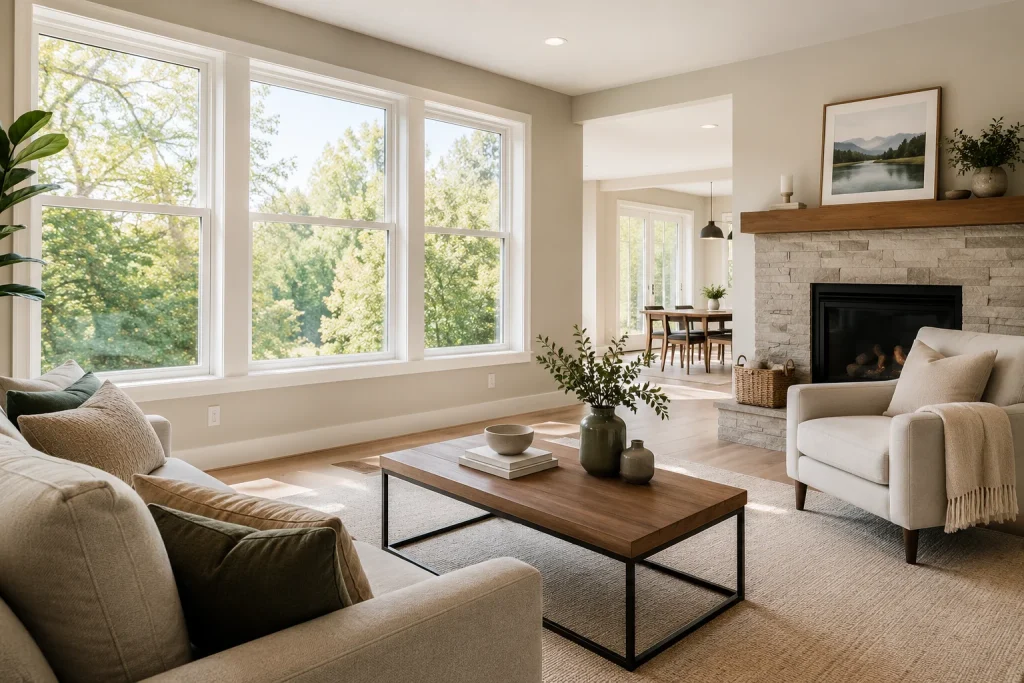
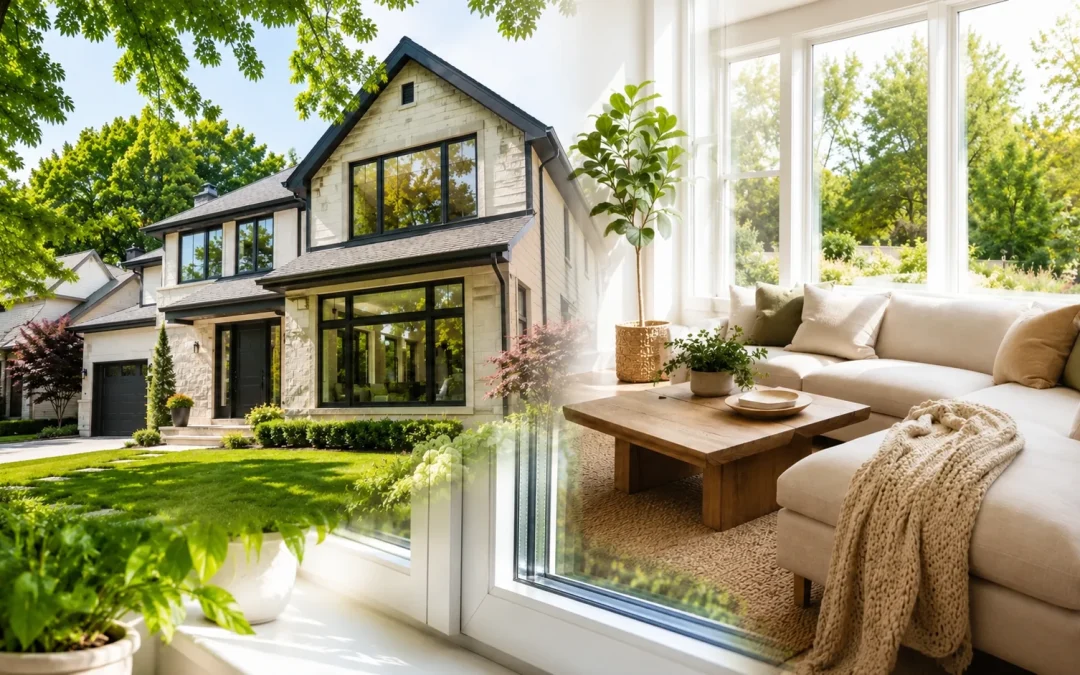
Energy Bills Bright Living Room

How New Windows Help Lower Energy Bills

New windows help lower energy bills by improving the way your home holds indoor temperature. In simple terms, they help keep warm air in during winter and reduce unwanted heat during summer.

Window Improvement How It Helps Why It Can Affect Energy Bills
Better sealing Reduces drafts around the window Your heating and cooling systems do not need to work as hard
Multiple glass panes Adds layers between indoors and outdoors Helps slow heat transfer through the glass
Low-E glass Helps control how heat moves through the glass Improves comfort in both winter and summer
Gas-filled glass units Uses insulating gas between glass panes Helps reduce heat movement through the window
Improved frames Provides better structure and sealing Reduces air leakage and long-term performance issues
Professional installation Seals the window opening properly Prevents energy loss around the frame

The biggest benefit comes when these features work together. A good window product matters, but proper installation matters just as much. Even a strong window can underperform if it is not fitted and sealed correctly.


Old Windows Can Make Your Home Work Harder

Older windows often lose efficiency over time. The frame may shift, seals may wear down, weatherstripping may crack, and glass may no longer provide enough insulation. Weatherstripping is the material around the window that helps block air leaks. When it wears out, cold or warm air can move through the gaps.

In winter, this can make rooms feel cold near the window. You may turn up the heat, use space heaters, or avoid sitting near certain areas of the home. In summer, rooms with older windows may overheat faster, especially if they face the sun for much of the day.

These comfort issues can increase energy use because your home is constantly trying to correct the temperature. New windows help reduce that pressure by creating a better barrier between the inside and outside.


Signs Your Windows May Be Increasing Your Energy Bills

You may not know exactly how much your windows are affecting your energy bills, but there are clear warning signs that they are no longer performing well.

Warning Sign What It Could Mean Why It Matters
You feel drafts near the window Air is leaking through gaps or weak seals Your heating or cooling system has to compensate
Rooms feel cold in winter The window may be losing too much heat The room may need more heat to stay comfortable
Rooms overheat in summer The glass may allow too much solar heat inside Your air conditioner may run more often
There is fog between glass panes The seal between the panes may have failed The window may have lost insulating performance
Windows are hard to close or lock The sash or frame may be warped or worn The window may not seal tightly
Condensation appears often Humidity, cold glass, or poor performance may be involved Moisture can affect comfort and home condition
Energy bills are high but comfort is poor Your home may be losing energy through weak points Windows and doors should be inspected

If several of these issues are happening at the same time, window replacement may be more practical than small repairs.
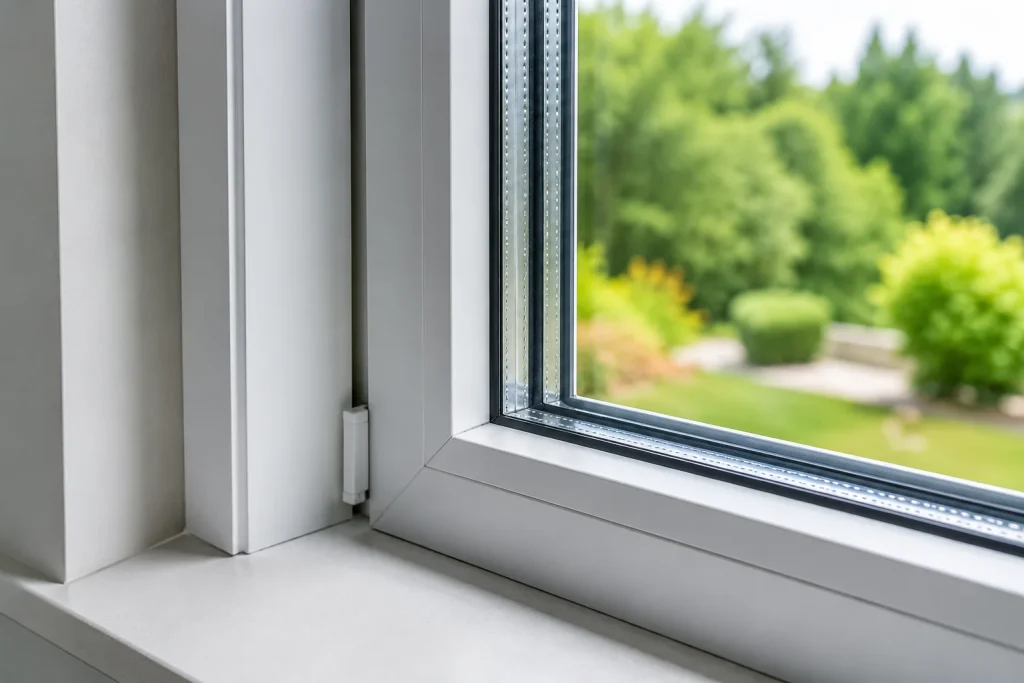
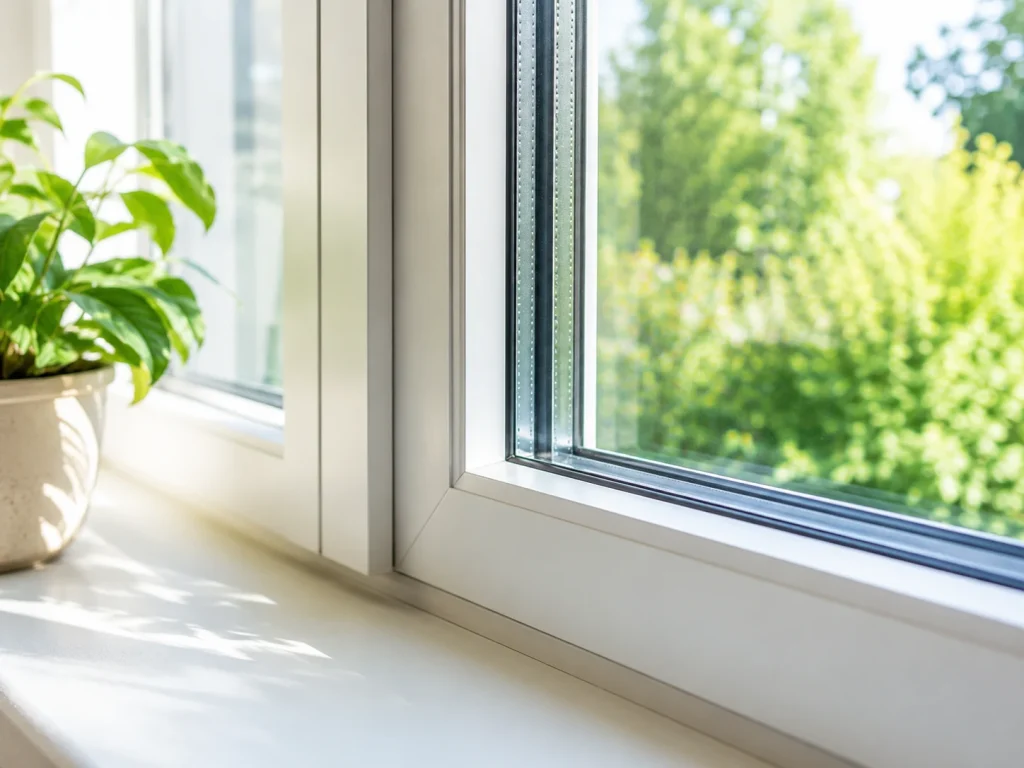
Energy Efficient Window Detail

Low-E Glass Helps Control Heat

Low-E glass is one of the most common features in modern energy-efficient windows. Low-E stands for low emissivity. That sounds technical, but the idea is simple: the glass has a special coating that helps control heat movement.

In winter, Low-E glass can help keep indoor warmth from escaping too quickly. In summer, it can help reduce unwanted heat from the sun. This is important for GTA homes because the same window needs to perform well in very different seasons.

For example, a west-facing living room in Mississauga may get strong afternoon sun in the summer. A bedroom in Vaughan may feel cold near the window in January. Low-E glass helps manage both situations by improving how the window handles heat.


Double-Pane and Triple-Pane Windows

Another reason new windows can lower energy bills is the use of multiple panes of glass. A pane is one sheet of glass. Older windows may have only one pane, while many modern windows use two or three panes.

Double-pane windows have two layers of glass. Triple-pane windows have three. The space between those panes helps reduce the movement of heat through the window.

Window Type Simple Explanation Best For
Single-pane window One layer of glass Older homes, but generally less efficient
Double-pane window Two layers of glass with space between them Many modern homes and replacement projects
Triple-pane window Three layers of glass with two insulating spaces Homes needing stronger comfort, efficiency, or noise reduction

More glass layers can improve comfort, but the right choice depends on your home, budget, window size, sun exposure, and comfort goals. A professional window assessment can help determine whether double-pane or triple-pane windows make the most sense.


Gas-Filled Windows Help Slow Heat Transfer

Many modern windows use argon or krypton gas between the glass panes. These gases are used because they help slow heat transfer. Heat transfer means the movement of heat from one side of the window to the other.

Argon is commonly used because it performs well and is practical for many window designs. Krypton may be used in some higher-performance windows, especially where the space between panes is smaller.

You will not see or feel the gas inside the window, but it helps improve the insulating value of the glass unit. Combined with Low-E glass and strong seals, gas-filled windows can help the home stay more comfortable with less wasted energy.


ENERGY STAR Windows and Performance Ratings

When shopping for new windows, homeowners often hear about ENERGY STAR certified products. ENERGY STAR explains that certified windows, doors, and skylights are tested and verified for energy performance.

This matters because not all windows perform the same. The ENERGY STAR label helps homeowners compare products that are designed to meet energy-efficiency standards.

You may also see terms like U-factor, Solar Heat Gain Coefficient, Energy Rating, and air leakage. These terms can feel confusing, so here is a simple explanation.

Term Simple Meaning What Homeowners Should Know
U-factor Measures how much heat passes through a window Lower usually means better insulation
Solar Heat Gain Coefficient Measures how much heat from the sun enters through the glass Important for rooms with strong sun exposure
Energy Rating A rating used to compare overall energy performance Higher usually means better overall performance
Air leakage Measures how much air passes through gaps Less air leakage usually means fewer drafts

You do not need to memorize these numbers. The main point is to choose windows that suit your climate, your home, and your comfort needs.


New Windows Can Help During Toronto Winters

Winter is when many homeowners notice window problems the most. A draft that feels minor in fall can become a real comfort issue in January or February.

Old windows can make the area near the glass feel cold, even when the rest of the room is warm. This can cause homeowners to raise the thermostat. Raising the thermostat may make the room feel better, but it can also increase energy use.

New windows can help by reducing drafts and improving insulation around the glass and frame. That means the room can feel more comfortable without forcing the heating system to work as hard.

This is especially valuable in older Toronto homes, where windows may have shifted over time, or in suburban GTA homes where large window openings can create noticeable heat loss if the windows are outdated.


New Windows Can Also Help During GTA Summers

Energy bills are not only a winter issue. In the summer, air conditioning can add a lot to monthly costs, especially during heatwaves.

Large windows can bring in beautiful natural light, but they can also bring in heat. If your windows allow too much solar heat into the home, rooms may become uncomfortable and your air conditioner may run longer.

Modern energy-efficient windows can help reduce unwanted heat gain. This is especially helpful for rooms with large windows, west-facing windows, or limited shade.

For homeowners in Burlington, Oakville, Mississauga, and other GTA communities where open layouts and large windows are common, better glass can make summer comfort much easier to manage.


Proper Installation Is Key to Energy Savings

The window itself is only part of the equation. Installation is just as important. A high-quality window will not deliver full benefits if there are gaps around the frame or if the opening is not sealed properly.

Proper installation helps block air leaks and water entry. It also helps the window open, close, and lock correctly. When the window fits properly, it can perform the way it was designed to perform.

Natural Resources Canada’s Keeping the Heat In guide explains that air sealing and insulation are important parts of home energy performance. For window replacement, this means the area around the window should be properly prepared and sealed.

This is one reason homeowners should work with an experienced installer. Homes across the GTA vary widely. A downtown Toronto semi-detached home may have older openings and settled framing. A newer home in Markham or Richmond Hill may have larger modern window openings. A Burlington or Oakville home may face different wind and weather exposure. The installation should match the home.


Windows and Doors Work Together

If your goal is to lower energy bills, do not only look at the windows. Exterior doors, patio doors, and side doors can also allow air leaks.

A front door that does not seal properly can make the entryway cold. A patio door that is hard to close may allow drafts. Worn weatherstripping around a side door can let in cold air all winter.

If you are already replacing windows, it is a smart time to inspect your doors too. AZTech offers door replacement, including options such as fiberglass doors, steel doors, and sliding patio doors.

Windows and doors are part of the home envelope. The home envelope means the parts of the home that separate the indoors from the outdoors, including windows, doors, walls, roof, insulation, and sealing. A stronger envelope helps the home stay more comfortable with less wasted energy.


How Much Can New Windows Save?

The honest answer is that savings vary. No company should promise the same savings for every home because every house is different.

How much you save depends on several factors:

  • The age and condition of your current windows
  • How many windows are being replaced
  • The type of new windows you choose
  • The quality of installation
  • Your home’s insulation and air sealing
  • Your heating and cooling system
  • Your thermostat habits
  • Your local exposure to sun, wind, and shade

For example, replacing very old, drafty single-pane windows will usually make a bigger difference than replacing newer windows that are already performing reasonably well. A full-home replacement will usually have more impact than replacing one small window.

Even when exact savings vary, the comfort improvement can be clear. Less draft, less heat loss, less overheating, and more consistent room temperatures all add value.


Repair or Replace: What Makes More Sense?

Some window problems can be repaired. If the window is newer and the issue is minor, repair may be enough. However, if the window is old, inefficient, damaged, or failing in several ways, replacement may offer better long-term value.

Problem Repair May Be Enough If Replacement May Be Better If
Minor draft The weatherstripping is worn but the window is otherwise solid The frame is warped or the window no longer closes tightly
Fog between glass panes Only one small glass unit is affected Several windows have failed seals or old frames
Hard to open or close The track needs cleaning or hardware adjustment The sash or frame is damaged or warped
High energy bills Other issues like thermostat habits are the main cause Windows are drafty, old, and visibly failing
Condensation Indoor humidity is the main issue There is moisture between panes or frame damage

If your windows are no longer helping your home stay comfortable, it may be time to consider professional window replacement.


Budgeting for Energy-Efficient Windows

Window replacement costs depend on the number of windows, size, style, glass type, frame material, installation details, and finishing work. A large bay window will not cost the same as a smaller sliding window. A custom-shaped window will not cost the same as a standard casement window.

If you are trying to plan ahead, AZTech’s Windows Calculator can help you create a rough starting budget. It is not a final quote, but it can help you understand the possible range before booking an in-home consultation.

When comparing quotes, look beyond the total price. A good quote should explain what type of window is included, what glass package is being used, what installation work is covered, what finishing is included, and what warranty applies.


Best Window Styles for Energy Efficiency

Different window styles can offer different benefits. The best choice depends on the room, the opening, and how you use the space.

Window Style Best For Energy Benefit
Casement windows Bedrooms, living rooms, kitchens, and areas needing ventilation Can seal tightly when closed
Awning windows Bathrooms, basements, and smaller openings Good ventilation with practical sealing
Fixed windows Large views and rooms where opening is not needed No moving parts can mean fewer air leakage points
Sliding windows Basements, tight spaces, and practical openings Easy operation and useful for many layouts
Bay and bow windows Living rooms and front-facing spaces Improves light and curb appeal when properly installed

The right window style should balance energy performance, natural light, ventilation, appearance, and ease of use.


Local Energy Bill Considerations for Toronto and the GTA

Energy use can feel different from one GTA home to another. A downtown Toronto home may have older windows and less wall insulation. A newer Vaughan or Markham home may have larger glass areas and open-concept rooms. A Burlington or Oakville home may experience stronger wind exposure depending on location. A Mississauga home may have sun-facing rooms that overheat during summer.

Because of these differences, the best window choice is not always the same for every home. Some homeowners need stronger winter comfort. Others need better summer heat control. Some need noise reduction because they live near a busy road, school, highway, or construction area.

A professional assessment can help identify which windows are causing the biggest comfort and energy problems, then recommend options that make sense for the home.


New Windows Are One Part of a More Efficient Home

New windows can help lower energy bills, but they work best as part of a whole-home approach. If your attic insulation is poor, your doors are drafty, or your furnace is not maintained, windows alone will not solve every energy problem.

To get better results, homeowners should also consider:

  • Checking exterior doors for drafts
  • Sealing obvious air leaks
  • Maintaining the furnace and air conditioner
  • Using a programmable or smart thermostat properly
  • Managing indoor humidity
  • Improving insulation where needed
  • Using window coverings to control heat and sunlight

Windows are a major part of the picture, but the whole home needs to work together.


New Windows Can Help Lower Energy Bills and Improve Comfort

New windows can lower your energy bills by reducing drafts, slowing heat loss, limiting unwanted summer heat, and helping your home maintain a more stable indoor temperature. For homeowners in Toronto, Vaughan, Mississauga, Burlington, Oakville, Markham, Richmond Hill, and the surrounding GTA, this can make a real difference through Ontario’s changing seasons.

If your current windows are drafty, foggy, hard to close, or making certain rooms uncomfortable, replacement may be a smart long-term investment. You may notice better comfort first, with energy efficiency benefits following as your home becomes easier to heat and cool.

To start planning your project, explore AZTech’s window replacement services, review available door replacement options, or use the Windows Calculator to build a rough project estimate. For a professional recommendation, contact AZTech Doors & Windows for a quote in Toronto and the surrounding GTA.
← PREVIOUS NEXT →
New Windows Are Your Way to a Reduced Environmental Footprint

New Windows Are Your Way to a Reduced Environmental Footprint

by erez | Jul 27, 2023 | Energy Efficiency, Windows

For many homeowners, replacing windows starts with a comfort problem. A room feels cold in the winter. The upstairs gets too hot in the summer. The glass feels drafty. Condensation keeps showing up. Energy bills feel higher than they should. But beyond comfort and cost, there is another important reason to look at your windows: your home’s environmental footprint.Your environmental footprint is the impact your home has on the environment through energy use, waste, heating, cooling, and daily operation. In simple terms, the more energy your home wastes, the harder your heating and cooling systems need to work. That can increase energy use and contribute to higher greenhouse gas emissions, especially in homes that rely on natural gas, oil, or electricity from non-renewable sources.For homeowners in Toronto, Vaughan, Mississauga, Oakville, Burlington, Markham, Richmond Hill, and the surrounding GTA, windows play a major role in how a home performs throughout the year. Ontario homes deal with freezing winters, humid summers, strong winds, heavy rain, and sudden temperature swings. If your windows are old, drafty, poorly sealed, or no longer performing properly, your home may be using more energy than necessary just to stay comfortable. 


New, energy-efficient windows can help reduce wasted energy, improve comfort, and support a more environmentally responsible home. They are not the only factor in home efficiency, but they are one of the most visible and practical upgrades a homeowner can make.


Why Windows Matter for Your Home’s Environmental Impact

Windows do not use energy on their own. They do not run like a furnace, air conditioner, or appliance. However, they affect how much energy those systems need to use.

If your windows allow heat to escape during winter, your heating system has to work harder. If your windows allow too much heat into the home during summer, your air conditioner has to work harder. Over time, that extra demand can increase energy use, monthly costs, and environmental impact.

Natural Resources Canada explains that windows, doors, and skylights can account for up to 35 percent of total house heat loss. For homeowners, that means old or inefficient windows can have a real effect on both comfort and energy waste.

Replacing old windows with properly installed, energy-efficient options can help create a tighter and better-performing home. That does not mean your home becomes perfect overnight, but it can reduce one of the major weak points in the building.


What Is an Environmental Footprint?

An environmental footprint is a simple way to describe how much your home affects the environment. It can include the energy used for heating and cooling, the resources used to maintain the home, and the waste created when materials wear out and need to be replaced.

For a home, one of the biggest areas is energy use. Heating in winter and cooling in summer are major demands. When windows are not performing well, your home may lose heat in winter and gain too much heat in summer. This makes the home less efficient.

Reducing your environmental footprint does not always mean making dramatic changes. It can start with practical upgrades that help your home waste less energy. New windows can be one of those upgrades.


How Old Windows Waste Energy

Older windows can waste energy in several ways. Some problems are easy to see, while others are not obvious until you feel the difference inside the home.

Window Problem What It Means How It Affects Energy Use
Drafts Air is leaking around the window frame or seal The heating or cooling system works harder to maintain the temperature
Single-pane glass The window has only one layer of glass Heat can pass through more easily
Failed seals The seal between glass panes is no longer working The window may lose insulating performance
Damaged frames Frames may be warped, cracked, soft, or deteriorating Air and moisture can enter more easily
Poor installation The window was not sealed or fitted properly Energy can be lost around the opening
Old weatherstripping The material around the window has worn down Small gaps allow air to move in and out

These issues are common in older GTA homes, especially properties that have gone through years of freeze-thaw cycles. A freeze-thaw cycle happens when water freezes, expands, melts, and freezes again. Over time, this can affect building materials around windows and doors.

Energy-Efficient Windows: What Makes Them Better?

Energy-Efficient Windows: What Makes Them Better?

Energy-efficient windows are designed to reduce heat loss, limit unwanted heat gain, and improve comfort inside the home. They do this through better glass, better frames, better seals, and better installation.

ENERGY STAR explains that certified windows, doors, and skylights are independently tested and verified to meet energy performance standards. For homeowners, this makes it easier to choose products that are built for better efficiency.

Here are the main features that can help improve window performance:

Feature Simple Explanation Why It Helps
Multiple panes of glass Two or three layers of glass instead of one Helps reduce heat transfer through the window
Low-E glass Glass with a special coating that reflects heat Helps keep warmth in during winter and reduce heat gain in summer
Argon gas A gas placed between panes of glass Helps improve insulation between the glass layers
Warm edge spacers Materials used between the glass panes at the edge Helps reduce heat loss around the edge of the glass
Strong weatherstripping Seal material around the moving parts of the window Helps reduce drafts and air leakage
Quality frames Durable window frame materials Supports long-term performance and better sealing

You do not need to memorize every window term. The main idea is simple: better windows help slow down the movement of heat, reduce drafts, and make the home easier to heat and cool.

Homeowners looking to upgrade can explore AZTech’s window replacement services for options designed for the GTA climate.

How New Windows Can Help Reduce Heating Demand

How New Windows Can Help Reduce Heating Demand

Heating is one of the biggest energy demands in Ontario homes. During cold months, your home needs to hold warmth inside as much as possible. If windows are old or drafty, warm air can escape and cold air can enter.

When this happens, your furnace or heating system needs to run more often. That can increase energy use and make rooms feel uncomfortable, especially near windows.

New windows can help reduce this problem by improving the seal between the indoors and outdoors. They can also reduce heat loss through the glass. This is especially important for homes in Toronto, Vaughan, Burlington, Oakville, and other GTA areas where winter temperatures can drop quickly and stay low for long periods.

Reducing heat loss is not only about saving money. It also helps reduce unnecessary energy use. When your home holds heat better, it does not need to work as hard to stay comfortable.


How New Windows Can Help in the Summer

Energy-efficient windows are not only helpful in winter. They also matter during hot and humid summers.

In the GTA, summer heat can build up quickly inside a home, especially in rooms with large windows facing the sun. If the glass allows too much heat in, the air conditioner has to work harder to cool the space.

Low-E glass can help manage this. Low-E means low emissivity. In plain language, it is a special coating on the glass that helps control heat movement while still allowing natural light through.

This can make a home feel more comfortable during the summer and reduce the demand on air conditioning. For homeowners trying to lower their environmental impact, reducing cooling demand is just as important as reducing heating demand.


Why Proper Installation Matters

A high-quality window can only perform well if it is installed properly. If there are gaps around the frame, poor sealing, or weak insulation around the opening, air and moisture can still get through.

That is why installation is a major part of energy efficiency. The window itself matters, but the fit matters too.

Natural Resources Canada’s Keeping the Heat In guide explains how air sealing and insulation are important parts of home energy performance. For window replacement, this means the opening around the window should be properly prepared, sealed, and finished.

For GTA homeowners, professional installation is especially important because homes vary widely. A downtown Toronto semi-detached home may have very different window openings than a newer home in Vaughan, Oakville, or Markham. Older homes may also have framing issues, settled openings, or previous repairs that need to be handled correctly.


New Windows and Indoor Comfort

Environmental benefits matter, but homeowners also need to feel the difference. One of the biggest benefits of new windows is improved comfort.

Old windows can create cold spots in winter and hot spots in summer. You may notice that certain rooms are uncomfortable even when the thermostat says the house should feel fine. This often happens when the window area is losing or gaining too much heat.

New windows can help create more consistent comfort throughout the home. Rooms near windows may feel less drafty. Large living areas may feel easier to heat and cool. Bedrooms may feel more comfortable overnight.

Comfort is important because when a home feels more stable, homeowners may be less likely to overuse heating or cooling systems to compensate for problem rooms.


Moisture, Condensation, and Long-Term Home Health

Condensation happens when warm, moist indoor air meets a cold surface, such as cold window glass. Some condensation can happen during winter, especially when indoor humidity is high. However, heavy condensation, water around the frame, peeling paint, soft trim, or mould-like staining should not be ignored.

Health Canada explains that moisture problems in a home should be addressed because moisture can contribute to mould growth. The Canada Mortgage and Housing Corporation also notes that moisture and dampness can create conditions where mould can grow.

Replacing old windows may help when the issue is caused by poor seals, failed glass, damaged frames, or air leakage. However, homeowners should also look at indoor humidity, ventilation, bathroom fans, kitchen exhaust, and exterior water drainage.

Reducing moisture problems supports a healthier, longer-lasting home. It can also prevent avoidable repairs, which helps reduce waste over time.


What About Window Materials?

The environmental impact of windows is not only about energy use. Materials also matter. Homeowners should look for products that are durable, low maintenance, and built to last.

A window that performs well for many years is generally better than one that needs frequent repairs or early replacement. Durability helps reduce waste because fewer materials need to be removed, replaced, transported, and disposed of.

Vinyl window frames are common because they are low maintenance, energy efficient, and do not require painting. Fiberglass and other frame materials may also be used depending on the product and design. The best choice depends on the home, budget, style, and performance goals.

The most important thing is to choose windows that are appropriate for Ontario weather and installed by a team that understands local conditions.


Should You Replace Doors Too?

Windows are a major part of home energy performance, but exterior doors matter too. A poorly sealed front door, patio door, or side door can allow drafts and heat loss.

If you are replacing old windows, it can make sense to inspect your doors at the same time. This is especially true if the door feels drafty, sticks when opening, has damaged weatherstripping, or allows light to show around the frame.

AZTech offers exterior door replacement, including options such as fiberglass doors, steel doors, and patio doors. Upgrading windows and doors together can help improve the overall performance of the home envelope.

The home envelope means the parts of the home that separate the inside from the outside. This includes walls, windows, doors, roof, insulation, and air sealing. A stronger envelope helps the home stay more comfortable with less wasted energy.


How to Choose Energy-Efficient Windows for a GTA Home

Choosing windows should not be rushed. The right option depends on the home’s age, location, exposure, and design.

Home Situation What to Consider Why It Matters
Older Toronto home Fit, sealing, and preserving the exterior look Older openings may need careful installation
Oakville or Burlington home near open exposure Wind, rain, and seasonal comfort Better sealing can improve comfort in exposed areas
Large south-facing windows Glass options that help manage summer heat Can reduce overheating and cooling demand
Rooms that feel cold Draft reduction and better insulation Helps reduce heating demand
Busy street or urban area Glass and frame options that help reduce noise Improves comfort and livability
Whole-home renovation Consistent window style and performance Improves appearance and long-term efficiency

If you are planning a project and need a starting point for budgeting, AZTech’s Windows Calculator can help you create a rough estimate before requesting a professional quote.


Repair or Replace: Which Is Better for the Environment?

Repairing a window can sometimes be the better choice, especially if the issue is small and the window is otherwise in good condition. For example, minor hardware issues, small caulking gaps, or worn weatherstripping may be repairable.

However, replacement may be the better long-term choice when the window is old, inefficient, damaged, foggy between panes, leaking, or no longer sealing properly. Repeated small repairs can add up, and they may not solve the bigger performance issue.

From an environmental point of view, the goal is not to replace everything unnecessarily. The goal is to make a smart decision that reduces waste, improves performance, and supports long-term durability.

If the window can be repaired effectively, repair may make sense. If the window is past its useful life, replacement may deliver better comfort, energy performance, and long-term value.


Signs Your Windows May Be Increasing Your Environmental Footprint

Your windows may be contributing to wasted energy if you notice several of these issues:

  • Rooms feel cold near windows during winter
  • Rooms overheat during summer
  • You feel drafts around the frame
  • There is fog or moisture between glass panes
  • Windows are difficult to open or close
  • Frames are cracked, warped, or deteriorating
  • Condensation is heavy or frequent
  • You hear a lot of outside noise
  • Energy bills seem high compared with home comfort
  • The windows are old and no longer match the home’s needs

If several of these signs are present, it may be time to consider window replacement as part of a broader energy-efficiency plan.


New Windows Are One Part of a Greener Home

New windows can help reduce wasted energy, but they work best when combined with other good home practices. A greener home is usually the result of several improvements working together.

Homeowners can also improve efficiency by sealing air leaks, improving attic insulation, using proper ventilation, maintaining heating and cooling systems, and managing indoor humidity.

Natural Resources Canada’s home energy resources explain that air sealing, insulation, windows, doors, and heating systems all work together. That is why window replacement should be seen as part of the whole home, not just a cosmetic upgrade.


Local Benefits for Toronto, Burlington, Oakville, and the GTA

Homes across the GTA face different environmental and comfort challenges. A Toronto semi-detached home may have older windows and tighter spacing between properties. A Burlington or Oakville home may deal with stronger wind exposure near open areas or the lake. A Vaughan, Markham, or Richmond Hill home may have larger windows and open-concept layouts that need better heat control.

In all of these cases, the goal is the same: reduce wasted energy, improve comfort, and make the home perform better through every season.

For homeowners who care about sustainability, new windows are a practical step. They help reduce energy waste without changing the way you live day to day. The home simply works better.


Better Windows Can Help Build a More Efficient Home

Reducing your environmental footprint does not always require a massive renovation. Sometimes it starts with fixing the parts of the home that waste the most energy.

Old, drafty, damaged, or poorly sealed windows can make a home harder to heat and cool. New energy-efficient windows can help reduce heat loss in winter, reduce unwanted heat gain in summer, improve comfort, and support better long-term home performance.

For homeowners in Toronto, Vaughan, Mississauga, Oakville, Burlington, Markham, Richmond Hill, and across the GTA, replacing old windows can be a smart investment in comfort, efficiency, and environmental responsibility.

To start planning your project, explore AZTech’s window replacement services, review available door replacement options, or use the Windows Calculator to create a rough project estimate. For personalized recommendations, contact AZTech Doors & Windows for a quote in Toronto and the surrounding GTA.

← PREVIOUS NEXT →
The Top 7 Reasons Why You Should Care about ENERGY STAR®

The Top 7 Reasons Why You Should Care about ENERGY STAR®

by erez | Jul 17, 2023 | Energy Efficiency

The Top 7 Reasons Why You Should Care about ENERGY STAR®

Symbol For Top Energy Performance

If you’re trying to choose between two products, whether you are looking at windows or doors, it can be tough to adequately determine which one will provide you with the best energy performance. That is unless it has an ENERGY STAR® label. This little sticker is an easy way to identify household appliances or products that provide optimal energy efficiency. Think of it as a short-cut to finding the top energy performers for when you’re shopping for new windows and doors. Makes your selection process much easier!

Increases The Value Of Your Home

Eco-conscious home buyers also look for new ENERGY STAR® windows and doors when choosing between homes.  Why? Because they know that they won’t have to replace them for many years to come, and they know these products can greatly reduce their energy bills. When it comes to home improvements, replacement windows are ranked high and can increase the value of your home as much as nearly the total cost of the windows in just one year. So making energy efficient upgrades to your windows and doors can really pay off when it’s time to sell your home. Plus, your home will benefit the environment.

Guarantees Your Windows Feature The Best Technology

An ENERGY STAR® qualified window or door will utilize the newest and best insulating technology. Many of the features will include triple-glazing units, low-E glass, insulated frames and sashes, and inert gas in the sealed units. Talk about practicality for the value!

Provides Better Comfort Levels

ENERGY STAR® qualified products will also help to keep your home more comfortable year-round. The windows are more airtight than other types of windows which helps to greatly reduce drafts and cold spots. But even beyond their ability to retain heat and keep out the cold, they also reduce outside noise levels, reduce dust and pollen, as well as condensation levels.

Helps The Planet

If your windows are leaking air, your HVAC system will have to work much harder  to keep your home at a comfortable level. This not only affects your energy bills, but it also impacts the amount of fossil fuels that are used to produce your energy. And the more fossil fuels you consume, the more dangerous greenhouse gas emissions get released into our climate. By using ENERGY STAR® window and door products, you can reduce your energy usage and help the planet out a little bit in return.

Offers Long Term Rewards

Many people forgo installing ENERGY STAR® products because they cost more up front. However, they lose out in the long term because ENERGY STAR® offers energy savings that quickly add up over time. The energy saving benefits far outweigh the negatives of the initial costs by a long shot.

Deciding on the right windows and doors for your home is never an easy decision. However, with all the benefits that ENERGY STAR® products provide, you can purchase with confidence. At Aztech Doors & Windows, we offer Energy Star certified products that help to improve the comfort of your home, reduce your energy bills, and conserve natural resources. Take a look at our range of window and door products online or contact us today to learn more!

What does ENERGY STAR indicate?

The energy star is a trademark that is internationally recognized to represent that the product is certified as energy efficient. 

What is an ENERGY STAR product?

An energy star product gives the consumer the peace of mind that the product they have purchased has been certified and recognized as energy efficient. An energy star product is as good if not better than standard products but they indicate that the product meets the standard for high energy efficiency. 

Which ENERGY STAR rating is best?

On windows and doors, the higher the energy efficiency rating (ER), the more energy efficient the product is. Good performing windows and doors have an ER of at least 29.

How do you tell if your appliances are ENERGY STAR?

When purchasing new windows, look for the energy star sticker. Any energy star product will be labeled with the energy star logo. It will also likely indicate the climate zones where your windows will operate best.

Can I claim ENERGY STAR appliances on taxes?

In Canada, there are currently no federal rebate programs offered to  taxpayers for the purchase of energy efficient appliances. Check the CRA website each year for an updated list of provincial and territorial government agencies who do provide credits or rebates to homeowners. 

Where i can find a list of ENERGY STAR Canada participants

Please click here for more information on retailers and manufacturers in Canada who participate in the energy start program.

← PREVIOUS NEXT →
Windows and Doors Energy Efficiency

Windows and Doors Energy Efficiency

by azuser | Jan 25, 2018 | Energy Efficiency

A Toronto and GTA Homeowner’s Guide

If you live in Toronto or the surrounding area, you already know how hard Ontario weather can be on a home. Winters are cold, summers can get hot and humid, and the months in between still bring wind, rain, and changing temperatures. That means your home has to work hard all year to stay comfortable.

If you are wondering how to reduce energy use in Ontario, the best place to start is simple: stop your home from losing heated or cooled air.

For many homeowners in Toronto, Mississauga, Oakville, Burlington, Vaughan, Milton, and nearby communities, the biggest energy problems come from older windows, drafty doors, gaps around frames, and worn materials that no longer seal properly. Natural Resources Canada also points homeowners toward better windows and doors, better insulation, and air sealing as key parts of an energy-efficient home.


Why This Matters in the Toronto Area

Homes in the GTA deal with both heating season and cooling season. In winter, warm air escapes. In summer, hot air enters. That usually means higher utility bills and a home that never quite feels comfortable.

That is especially true in areas like:

  • Toronto, where many homes have older windows and older frames
  • Mississauga and Vaughan, where a mix of older and newer homes can still have air leaks
  • Oakville and Burlington, where large window openings and patio doors are common in many family homes

Environment and Climate Change Canada’s climate normals show that places like Toronto-area communities and Oakville deal with cold-season conditions and year-round precipitation patterns that make home sealing and insulation important.


The Simple Version: Where Homes Usually Waste Energy

A home usually wastes energy when:

  1. warm air leaks out in winter
  2. hot air gets in during summer
  3. your furnace or air conditioner has to run longer to make up for that loss

That is why homeowners often notice:

  • cold drafts near windows
  • rooms that are always hotter or colder than the rest of the house
  • rising energy bills
  • condensation or moisture around glass
  • doors that do not close tightly anymore


The Biggest Problem Areas to Check First

Area of the Home What Often Goes Wrong Why It Affects Energy Use
Windows Drafts, worn seals, old glass, hard-to-close frames Warm or cool air escapes more easily
Front and side doors Gaps, weak weatherstripping, poor fit Outdoor air gets in, indoor air gets out
Patio doors Large glass area, sliding tracks, older seals Major source of heat loss or heat gain
Gaps around frames Small openings around window and door edges Adds up over time and makes HVAC work harder
Attic and insulation Weak insulation Home loses heat faster in winter

Natural Resources Canada explains that energy-efficient windows and doors help reduce heat loss and improve comfort. Enbridge and Save on Energy also highlight windows, doors, insulation, and air sealing as key upgrades for Ontario homeowners.


Start With Your Windows

If you want to know how to reduce energy use in Ontario without overcomplicating it, windows are one of the smartest places to start.

Older windows often let in drafts even when they look fine from the inside. Some are hard to latch properly. Others may have worn seals or older glass that does not hold indoor temperature well. In plain terms, that means your furnace works harder in winter and your air conditioner works harder in summer.

Upgrading your windows can help improve comfort, reduce drafts, and make the home easier to heat and cool.


A good choice for draft control

In many Toronto and GTA homes, casement windows are a strong choice because they close tightly and help reduce unwanted airflow.

A smart option for ventilation

For kitchens, basements, and other areas where airflow matters, awning windows can help bring in fresh air while still giving you a tight seal when closed.

Older sliding or hung windows may be costing you more

In many Burlington, Oakville, and Mississauga homes, older sliding windows or hung windows may still work, but they may not seal as well as newer models.


Do Not Ignore Your Doors

A lot of homeowners focus only on windows, but doors matter too.

An older front door or patio door can quietly leak air every day. You may not notice it right away, but over time it affects comfort and cost.

Your doors help separate your indoor space from Ontario weather. If they no longer close tightly, your home becomes harder to heat in winter and harder to cool in summer.

Front doors matter more than people think

If your front or side door feels cold around the edges, the seal may be failing. New steel doors and fibreglass doors are often chosen because they help create a better barrier between indoors and outdoors.

Patio doors are often a hidden weak spot

In Oakville, Burlington, and newer suburban parts of the GTA, large backyard openings are common. If your patio door is older, replacing it with better sliding patio doors can help reduce drafts and improve year-round comfort.


What “Air Sealing” Means

You asked to avoid technical terms, so here is one explained simply.

Air sealing just means closing the little gaps where outdoor air sneaks in and indoor air leaks out.

Those gaps may be around:

  • window frames
  • door frames
  • trim
  • attic hatches
  • vents and wall openings

Ontario rebate programs specifically include air sealing because it can help reduce drafts and improve comfort.


What “Energy-Efficient” Means

Another term that gets thrown around a lot is energy-efficient.

In simple words, it means a product helps your home hold indoor temperature better, so your furnace and air conditioner do not have to work as hard.

Natural Resources Canada maintains a searchable list of certified windows and doors and explains that ENERGY STAR certified products are designed to meet performance standards for Canada.

Reduce Energy Use In Ontario


Practical Ways to Reduce Energy Use in Toronto and the GTA

Here are the most useful steps for homeowners in Toronto and nearby cities.

What to Do Why It Helps Best For
Replace old drafty windows Reduces heat loss in winter and heat gain in summer Older Toronto and Mississauga homes
Replace worn exterior doors Improves sealing and comfort Any home with drafts at entry points
Upgrade patio doors Helps with large glass openings Oakville, Burlington, Vaughan family homes
Seal gaps around frames Stops constant small leaks Homes with noticeable drafts
Check insulation Helps indoor temperature stay more stable Homes with high heating bills
Use available rebates Lowers upgrade cost Ontario homeowners who qualify


Rebates and Local Support Homeowners Should Know About

Ontario homeowners may be able to access rebates and support programs for home energy upgrades.

The current Home Renovation Savings program from Enbridge Gas and Save on Energy offers rebates for eligible upgrades including windows and doors, insulation, air sealing, and more. Official program pages also explain that a home energy assessment may be part of certain upgrade paths.

The City of Toronto also points homeowners to rebates, incentives, and financing options for home energy improvements.

In Mississauga and Peel Region, the City highlights local support through the Centre for Community Energy Transformation, including homeowner guidance and retrofit support.


Quick rebate snapshot

Program or Resource What It Helps With Source
Home Renovation Savings Rebates for windows, doors, insulation, air sealing, and more Enbridge Gas / Save on Energy
Green home incentives in Toronto Rebates, incentives, and financing information City of Toronto
Peel / Mississauga homeowner support Retrofit guidance and coaching resources City of Mississauga / CCET


Signs It May Be Time to Replace Windows or Doors

Here is the no-nonsense checklist.

Your windows or doors may be costing you money if:

  • you feel drafts in winter
  • some rooms are always colder than others
  • your AC seems to run nonstop in summer
  • the glass gets heavy condensation often
  • the frame looks worn, cracked, or swollen
  • the door no longer closes firmly
  • the lock or latch no longer lines up well

If that sounds familiar, your home may be losing more energy than it should.


What This Looks Like in Real GTA Homes

Toronto

Many Toronto homes have older window frames and older openings that may not seal properly anymore. Even beautiful homes can be quietly losing heat around outdated windows and doors.

Mississauga

A lot of homes here have large living room and patio openings. That looks great, but it also means more glass area to manage in both winter and summer.

Oakville and Burlington

Family homes often have big rear doors, patio systems, and bright main-floor window areas. If those are older, energy loss can show up fast on utility bills.

Vaughan and nearby suburbs

Many homeowners want a balance of curb appeal, comfort, and lower energy costs. Upgrading key windows and entry doors is often a practical place to start.


A Smarter Way to Think About It

A lot of articles make energy savings sound like rocket science. It is not.

For most homeowners, the idea is simple:

  • keep warm air in during winter
  • keep hot air out during summer
  • stop drafts
  • replace the old parts of the home that are no longer doing their job

That is really what reducing energy use comes down to.


Final Thoughts: How to Reduce Energy Use in Ontario

If you live in Toronto, Mississauga, Oakville, Burlington, Vaughan, or the surrounding GTA, reducing energy use usually starts with making your home tighter, more comfortable, and easier to heat and cool.

The best first steps are often:

  1. replace old windows that leak air
  2. replace drafty exterior doors
  3. upgrade aging patio doors
  4. seal gaps around frames
  5. look into available Ontario rebates and local programs

That approach can help lower energy bills, improve comfort, and make the home feel better through every Ontario season.


Ready to Reduce Energy Use in Your Ontario Home?

Old windows and drafty doors can make your home harder to heat, harder to cool, and less comfortable all year long. AZTech Doors & Windows provides quality window and door solutions for homeowners across Toronto and the GTA, helping improve comfort, curb appeal, and everyday energy savings.

Reach out to AZTech Doors & Windows today to get started with a quote and find the right fit for your home.


NEXT →

[contact-form-7 id=”11070″ title=”Request a Quote”]

See all our jobs

Categories

  • Doors
  • Energy Efficiency
  • Windows

Make a rough budget with the help of our online Windows cost calculator and receive $200 off your order.

Windows Calculator $

Give us a call today

Get a quote in the comfort of your own home, or have us send it via fax or email. Our team is available to assist with any questions you have about the proposal – just give us a call. We’re here to help!

Call Us Today
(416) 946-1061

Aztech Doors And Windows Installation
  • Follow
  • Follow
  • Follow
  • Follow

Other Links

  • Windows Calculator
  • Blog
  • Warranty
  • Privacy Policy
  • Sitemap

Windows

  • Casement Windows
  • Awning Windows Vaughan
  • Sliding Windows
  • Hung Windows
  • Fixed Windows
  • Bay and Bow Windows
  • Tilt and Turn Windows
  • Custom Shaped Windows

Doors

  • Steel Doors
  • Fiberglass Doors
  • Aluminum Storm Doors

Brochures

  • Doors Brochures
  • Windows Brochures

Contact Us

AZTech Doors & Windows
Address:
9131 Keele St Suit A4, Concord, ON L4K 2N1
(416) 946-1061
905-233-2320
888-680-5999
Email:
[email protected]

GET A QUOTE

Free Estimate Form

By submitting, you authorize Aztech Doors & Windows to send text messages with offers and other information. Message/data rates apply. Consent is not a condition of purchase. Privacy Policy and Terms & Conditions

Get A Free Quote

Free Estimate Form

By submitting, you authorize Aztech Doors & Windows to send text messages with offers and other information. Message/data rates apply. Consent is not a condition of purchase. Privacy Policy and Terms & Conditions

Call Now Button